The number 1 subway line stops at Pingzhou (坪洲), which once upon a time was a sandbar near the coast of the Nantou Sea. The station is at the edge of Qianhai, but near the former center of restored Bao’an County. The county seat of restored Bao’an was Baocheng (Bao City)-Xixiang, with administrative functions in Bao City and commercial functions in Xixiang. Indeed, the layout of Bao City-Xixiang echoes the layout of Luohu-Shagbu, with a new town going up next to the older market town.
Continue readingTag Archives: cultural geography
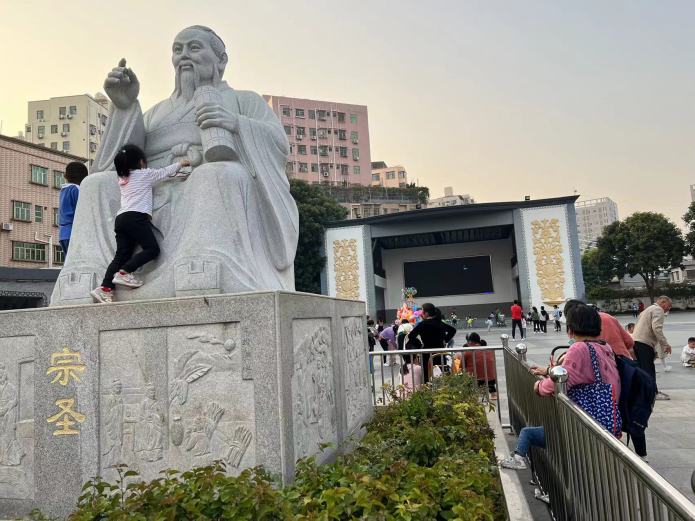
玉律–thoughts on the shifting cultural geography of shenzhen urban villages
One of the driving forces behind cultural preservation Xinqiao (新桥) and neighboring Yulv (玉律) is the 新桥曾氏仕贵公理事会, which for the moment I’m translating as the Xinqiao Zeng Surname Council, rather than Zeng Family or Zeng Clan. The reason I’m opting for literal translation of 氏 is that during the times that I have visited Xinqiao and now Yulv, the emphasis has been on the family connection, rather than on explicit kin connections.
Continue reading
baishizhou village: a return of the repressed-what’s in a name mash-up
Most are aware that the area we once knew as “Baishizhou” was located north of Shennan Road, comprising four villages–Shangbaishi, Xiabaishi, Tangtou and Xintang. The neighborhood’s name derived from the “Baishizhou” subway station. In turn, the station was named for the historical Baishizhou, a mudflat or sandbank, which was located south of Shennan Road. Historically, our Baishizhou was a continuation of historic settlement patterns, while Baishizhou Village seems to have emerged more recently. Nevertheless, the demolition of our Baishizhou has led to the emergence of a new Baishizhou and this new Baishizhou has a telling (and frankly distressing) general layout. Below, I give a brief overview of the layout and then a brief history of the place name, Baishizhou. And yes, its more speculative than conclusive. Reader be warned.
Continue reading
thinking about what it means that Shenzhen must needs be constantly renewed…
Yes, this is another happy collaboration with Jonathan Bach. Chapter from Neue Städte: Vom Project Der Moderne Our Authentisierung, ed. by Andreas Ludwig.
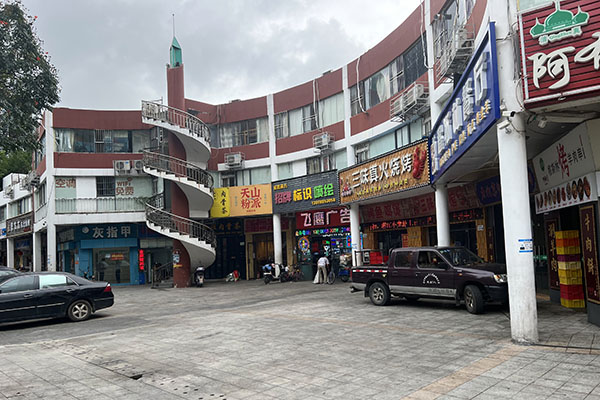
90s nostalgia

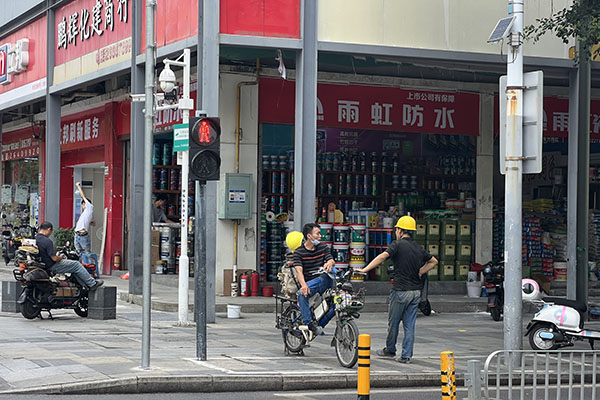

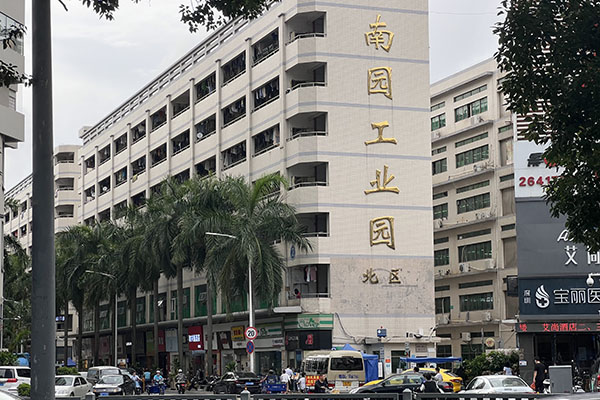


the village hack residency
Long ago, when Handshake 302 was in Baishizhou and Baishizhou was the city’s most icon urban village, we ran a residency program. The first iteration of the residency was “Village Hack.” Several years ago, I reflected on the program and what it taught us about how Shenzheners were formed (paper can be downloaded, below).
Continue reading
what water did you drink?
On Tuesday, September 11, 2018, Handshake 302 sent out a call for fifteen participants to join the first chapter of “Urban Flesh and Bones: Rediscovering Shenzhen’s Cultural Geography” series of walking tours. This chapter is called “What water did you drink?” and looked at how infrastructural relationships–pipes and container ports, for example–have replaced more immediate relationships–wells and small docks–in the local cultural geography. Kind of esoteric topic for a walking tour, but in less than an hour, the event was already completely booked! Who knew Shenzhen residents were so interested in esoteric takes on the city’s cultural geography? By Thursday afternoon, however, we were worried, would super typhoon Mangkhut land on Saturday, forcing us to cancel the event? However, the weather gods were with us, and Saturday morning was bright sun and blue skies—a perfect day for exploring the Shenzhen’s cultural history from the perspective of “water.” Continue reading
 Shenzhen Noted