huangbeiling

Yesterday, I walked Huangbeiling, which is located on the eastern section of Shennan Road. Before the construction of the subway system, Huangbeiling felt like the end of the accessible SEZ; there was more beyond, but getting there required a car or plans for a day trip. Today, Huangbeiling is a major transportation transit hub, linking the downtown area to the eastern coast.

Looking west along Shennan Road East from the Huangbeiling bus station toward Hubei Village and Dongmen.

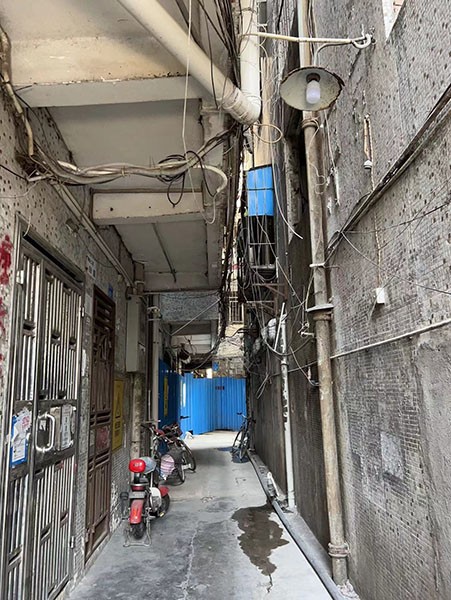
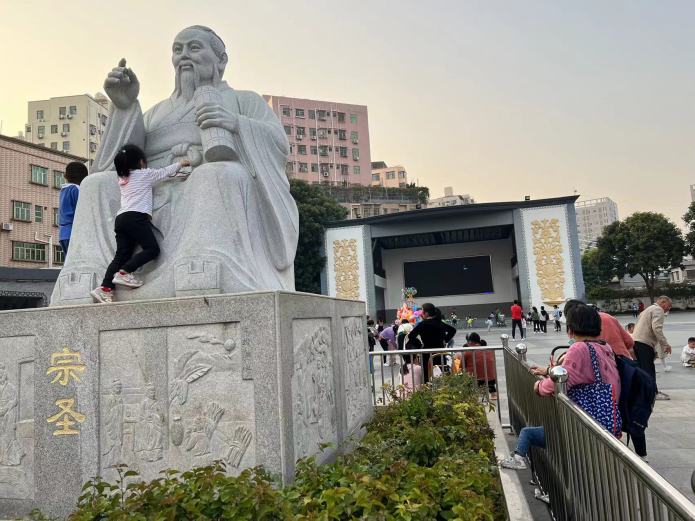
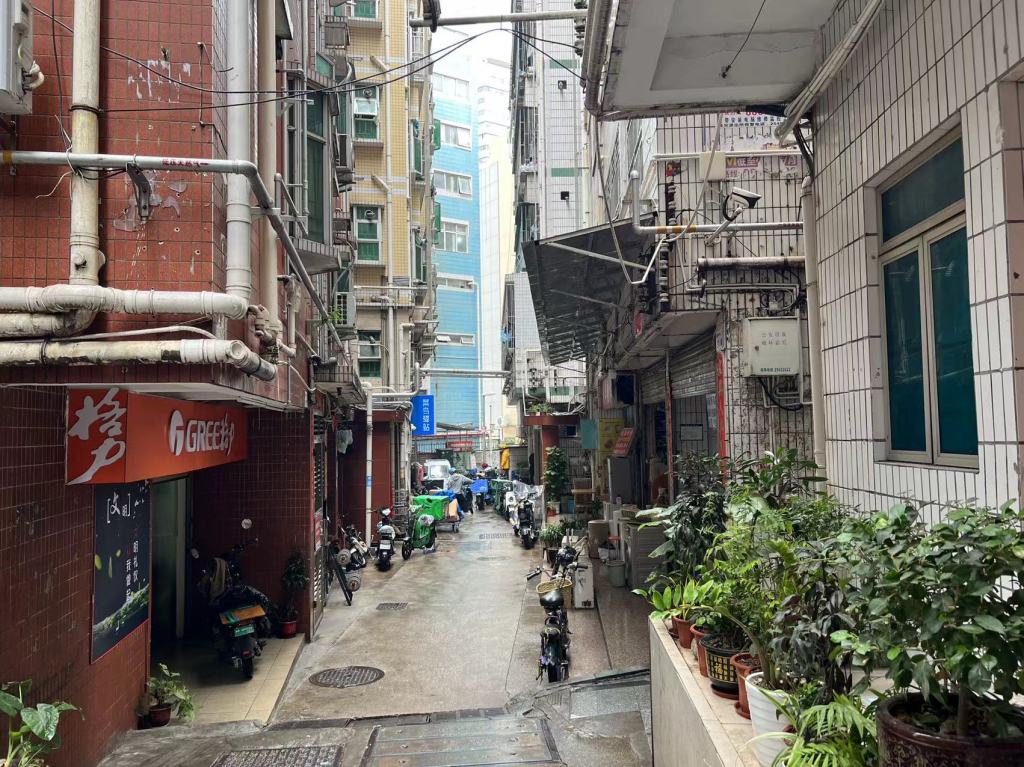
Huangbeiling still feels like a golden era urban village, albeit recovering from Covid shutdowns. The layout of the village is against and up the Wutong Mountain Range, with enough nooks and crannies for unexpected encounters: a household temple to Guanyin, a mountain park with feral cats hanging out in tree branches, and good, relatively cheap food.

Sixteen years ago, one of the earliest Fat Bird guerrilla performances was held at the Huangbeiling pet market. Dogs and cats were just becoming fixtures–like cars and branded items–of the middle class Shenzhen lifestyle. Fat Bird “rented” a large dog cage for about five minutes before security guards and village leaders appeared and asked us to leave In the video of the post-performance interview you can also glimpse what this section of Shennan Road used to be like. After the performers were asked to leave, we jumped on a bus and went across the city to Chiwan. The short performance gives a sense of both the transformation of the area, as well as the relative openness of the city at the time compared to the present moment.

an urban village by any other name…

This week Kaiqin, Wu Dan and I have been in Xiamen for a Tiffany glass DIY workshop. The workshop was held in a gated housing estate near the tourist docks for going to Gulangyu. As we couldn’t afford to stay in nearby hotels, we found a small (40 sq meters including open area) b&b (民宿) in Shapowei (沙坡尾), which any quick google will tell you is unlike any other neighborhood in the city. It’s hip, it’s arty, and it lives like an urban village.

Continue reading

shangwei: the other artist village

Shenzhen has more art-adjacent villages than one might think. There’s Dafen, Aohu, Wutongshan, and Shangwei (上围). There’s also Baoyuan, which is not an art village per se but located next to the F518 space. So. You decide. 4? 5? Do we also include any of the villages that have veered into creative industries? Guimiao, the village next to Shenzhen University and now crumbling to the excavators of progress, for example, was once home to artists and bibliophiles. Anyway. Shangwei.

Continue reading

baishizhou blues

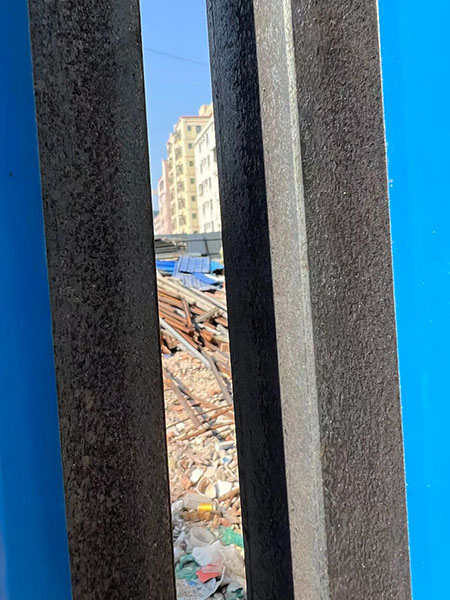
Demolishing an urban village, especially one as large as Baishizhou is a long and surreal process. Different sections of the village are at different stages of demolition, and while some buildings are still home to families and shops, others have already been replaced with temporary dormitories for construction workers because one of the main sections of the site is already going up. Impressions from yesterday’s walk:

玉律–thoughts on the shifting cultural geography of shenzhen urban villages

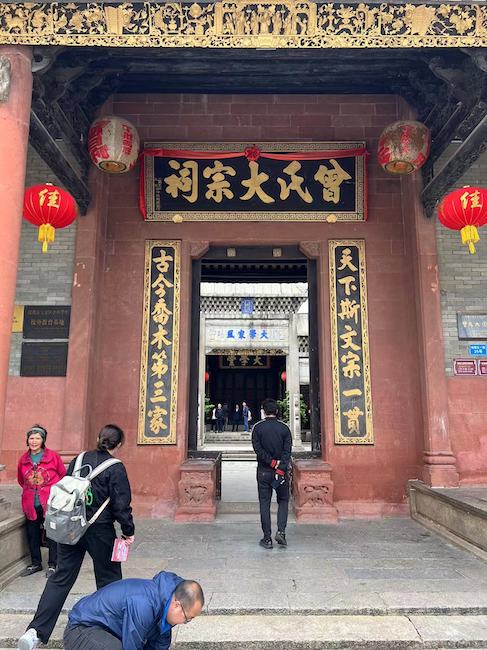
One of the driving forces behind cultural preservation Xinqiao (新桥) and neighboring Yulv (玉律) is the 新桥曾氏仕贵公理事会, which for the moment I’m translating as the Xinqiao Zeng Surname Council, rather than Zeng Family or Zeng Clan. The reason I’m opting for literal translation of 氏 is that during the times that I have visited Xinqiao and now Yulv, the emphasis has been on the family connection, rather than on explicit kin connections.

Continue reading

return to dalang

Yesterday, for the first time since Covid lockdowns began and ended (three years!) I visited Dalang, where “Fashion Town 时尚小镇” continues to thrive and the biennale continues to serve as a transitional event, where art and creativity replace manufacturing. So two streams that converged. First, the exhibition itself was small, but interesting, occupying two floors in a repurposed late 80s early 90s factory. Indeed, this sub venue reminded me of early biennales, when the exhibitions were situated in such marginal places that curators had degrees of freedom that the main venue no longer enjoys. For example, while the Brewery main venue is larger and more interesting as a space, nevertheless it is obviously part of a redevelopment scheme. In contrast, while the Dalang venue signals the closing of an industrial park, nevertheless the artworks on display were edgy (for the times), several created onsite using the garbage that had accumulated in the park and its abandoned factories.

Continue reading

新桥: the second largest village settlement in Shenzhen

Yesterday, I visited the Xinqiao Ancient Architecture cluster. The museum has a few surprises, including documentation tracking land ownership from the Republican era all the way back to the Jiaqing era, which would be roughly late 1790s through early 1820s. Xinqiao has been an important settlement, and in fact, one of the compilers of the Jiaqing version of the Xin’an County Gazetteer was from Xinqiao.

According to members of the local history association, Xinqiao has historically been more important than the more famous Shajing. Shajing was famous for oysters, but Xinqiao had land and mountains, allowing for one of the largest agricultural settlements in the area. The historians emphasized that historically Xinqiao was water rich, allowing for cultivation of rice and lychees. A few impressions below.

so…. fenghuang city, guangming

Today I went into the very distant reaches of Guangming, to one of the new developments. During the Republican era (and from what I can glean, even earlier), this area was mountainous and had little agriculture. Consequently, in 1958, an Overseas Chinese Farm was set up here, bringing in both productivity and producing for the HK market. At the beginning of Reform and Opening Up they did some manufacturing (Konka and Overseas Chinese Town are both children of this settlement), but the area’s claim to fame remained agriculture, especially milk and roasted pigeon.

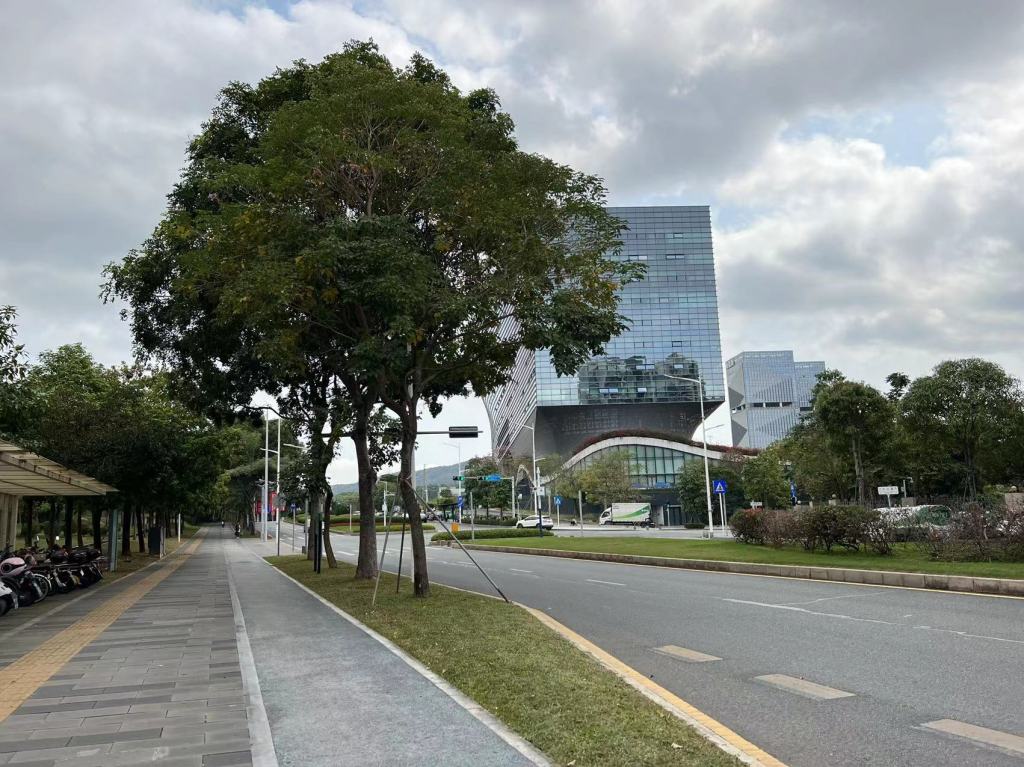
Point du jour: as with many parts of Shenzhen that missed the initial manufacturing boom (looking at you Longgang), the area is marketing itself as a high end suburban area. However, its far, far away (over 1.5 hours by subway from Shekou, or 3 hours round trip) and since there are few jobs out there, it’s filled with bedroom communities and empty shopping malls. A few snaps from today’s trip:

morning tea

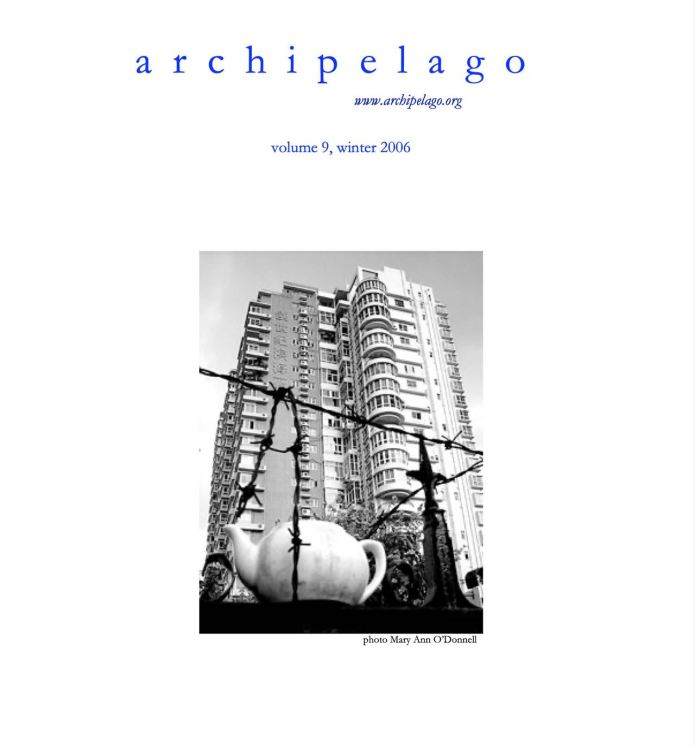
So, “Morning Tea,” a 15-year old blast from the past: a creative non-fiction piece that I wrote about Shenzhen in 2006. The essay includes photos of lost objects that I used to take on my walks–in the 00s the inner districts were still under construction and I was constantly stumbling on discarded stuff. Indeed, the earliest incarnation of the blog began with photographs from this walks (those early galleries are still up on livejournal). “Morning Tea” was published in archipelago (vol 9, winter 2006), an online journal that seems to have been around for 10 years…

baishizhou, January 2023

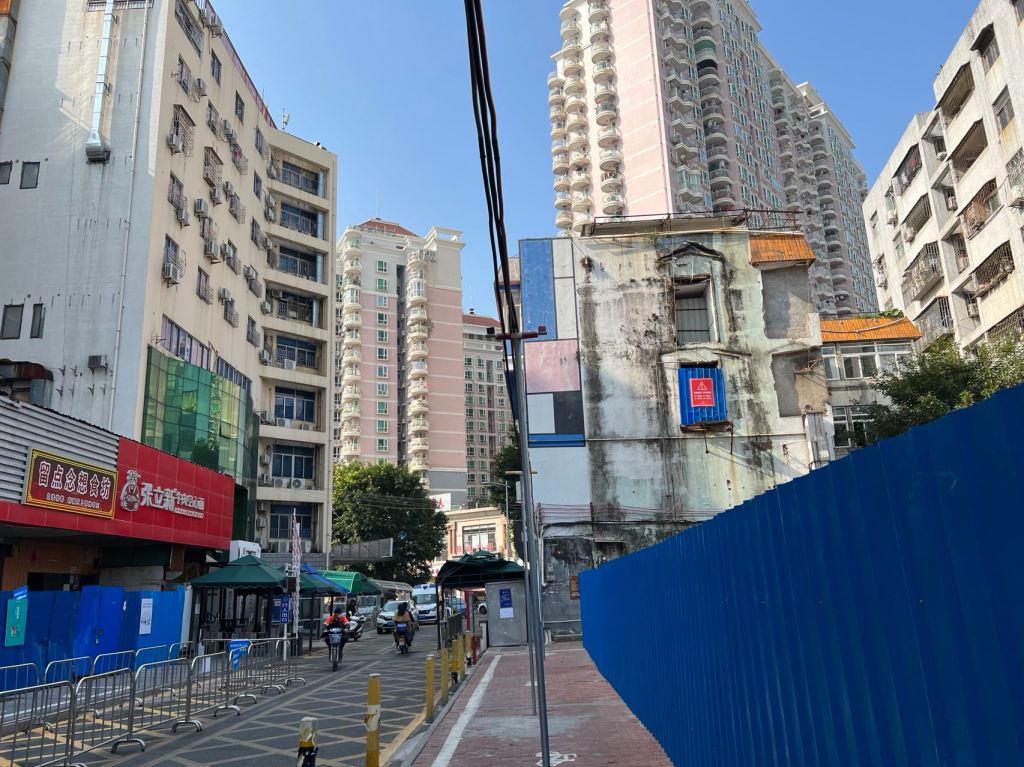
Photos from Baishizhou, Dec 31, 2023. Three notes: 1, the Baishizhou mural has been replaced with a Shahe mural, suggesting that the area’s rebranding is proceeding apace; 2, the covid regulation infrastructure was solid and expensive, even though the area was already being demolished, and; 3, there are still holdouts in the village, most closer to Shennan Road, however, the center area near Jiangnan Department store, where 302 used to be is difficult to reach because mostly razed and inside the current construction site.

Impressions of the walk, below.