The last five stations of the line 11 metro provide insights into how township and village enterprises reshaped the Pearl River Delta.
Author Archives: Mary Ann O'Donnell


line 11 mini encyclopedia: riparian histories
As we go further north along the banks of the Pearl River, it becomes increasingly clear how rivers have shaped human settlements these past 1,000 years.


line 11 mini encyclopedia: bao’an and the second line
The second line has been a defining feature of Shenzhen and its visceral split between the inner and outer districts. Historically, Bao’an has been more important than the Weitou Isthmus.

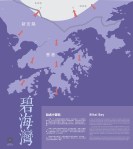

line 11 mini encyclopedia: the nantou peninsula
Once upon a time, Nantou was the Ya’men for Xin’an County, and before that for the imperial salt monopoly. It’s currently where Shen Kong integration is being seriously re-worked.


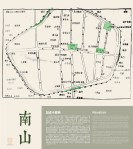

line 11 mini encyclopedia: futian stations
Insights into what Futian was before it was the political center of the city.


the line 11 mini encyclopedia is online (and so is the subway)
For the past six months or so, I have been working on a project that illuminates Shenzhen history stop-by-stop along the new metro lines. Line 11 is up and so is the mini encyclopedia. I’ll be putting the pages up over the next week or so. Enjoy!

more on urban villages (with pictures)!
Folks interested in high density living in Shenzhen’s urban villages have been creating some great images about how space works across different scales. Below, a sampling from around the globe. Follow links to reports.

From Li Zhang’s overview of urban villages, with a focus on Gangxia.
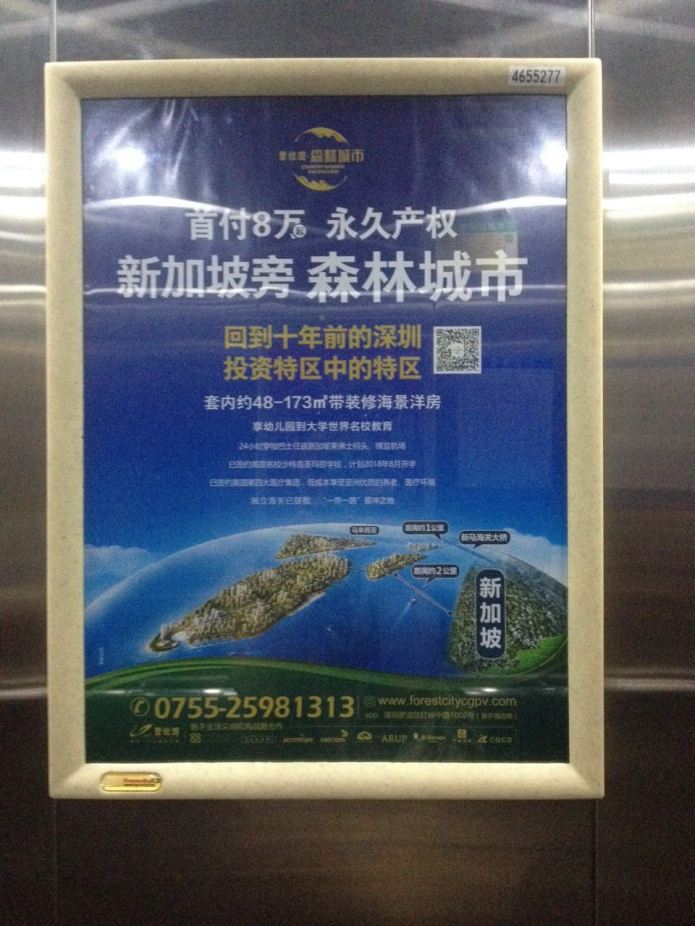
do you want to buy a house next to singapore?
Just saw this poster advertising the opportunity to purchase a house on a small Malaysian island next to Singapore. The houses are relatively large and the agent is conveniently located in Shenzhen. The appeal? One can “[R]eturn to Shenzhen ten years ago, and invest in the Special Zone of a Special Zone.”
Here’s the rub. I saw this in an apartment complex in Dalang, at least twenty minutes from the nearest subway station. Everyone wants to by a house, and even places as relatively remote as Dalang are no longer viable options for migrants, even if they have a job, and even if they have savings.
On my way from said subway station to the elevator where this advert was posted, the cabby explained that since Lift (didi) and Uber had come to Shenzhen, it was no longer profitable to drive a cab. He planned on going back home to Jiangxi. When I mentioned that it seemed more and more people were leaving the city, he agreed, saying “there noticeably less people on the street.”
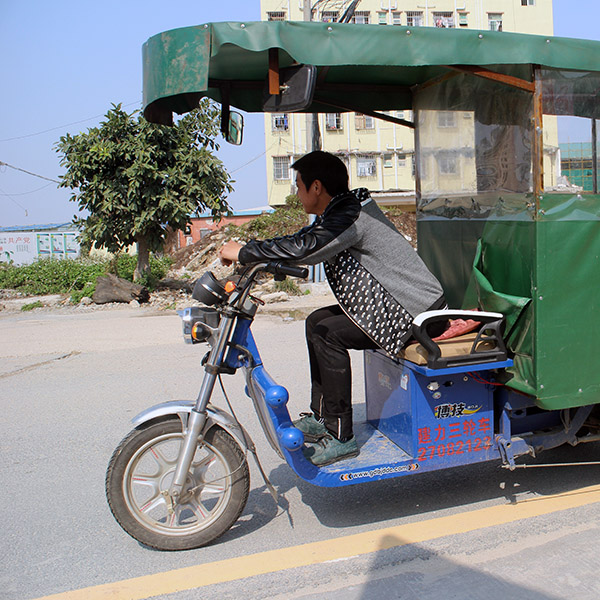
bitou, or the spatial consequences of deindustrialization
In the early spring, I arrived at the Songgang bus stop, “under the bridge”–a pedestrian overpass on the G107 expressway. The stop teemed with migrant workers and motorcycle cabbies, who screamed, “Where are you going?” Continue reading
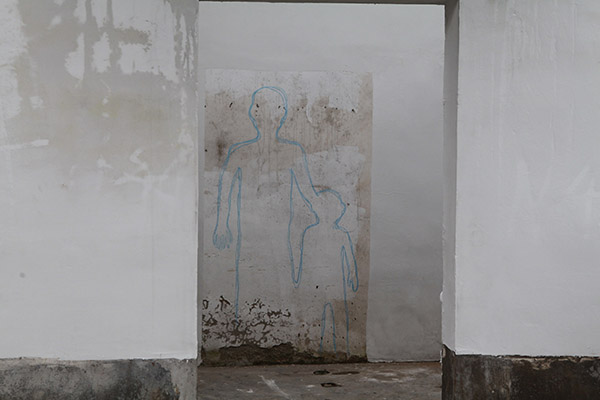
emptied out / true emptiness
Last week, I participated in the “真空” art week. 真空 means emptied out or true emptiness. The curatorial statement (translated below) emphasizes how urban renewal is “emptying out” the villages and what remains is neither this, nor that. Almost buddhist, except we’re still yearning and true emptiness alludes us. Continue reading
 Shenzhen Noted