Today is Grave Sweeping Day, so I thought I’d publish something about an historic cemetery–Holy Hill (圣山), which is located in Buji.
Continue reading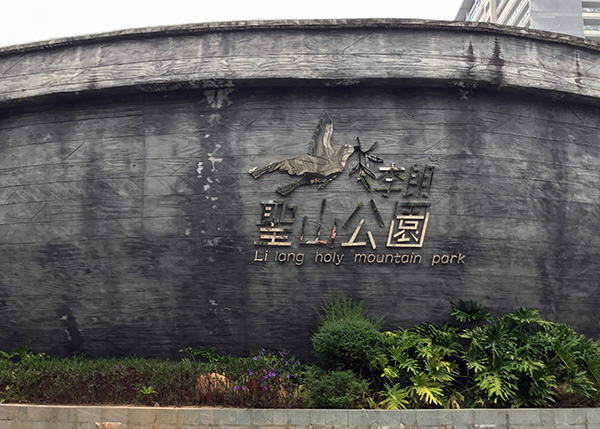
Today is Grave Sweeping Day, so I thought I’d publish something about an historic cemetery–Holy Hill (圣山), which is located in Buji.
Continue reading
April, May and June, Handshake 302 will be leading tours through the streets and history of Futian Street Office. If you’re in Shenzhen, subscribe to our we chat account to sign-up for a tour!

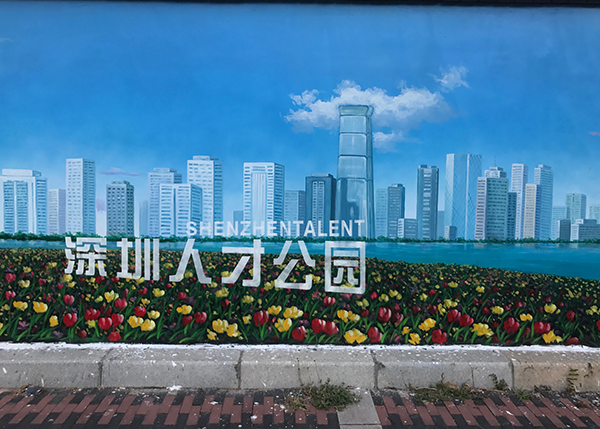
I walked from Coastal City to Shenzhen Bay Park via Talent Park. It is a stunning venture, where it is possible to experience the best of what Shenzhen offers–futuristic architecture, sparkling coastline, and expansive skies–without having to deal with the consequences thereof–overbuilding, monopolized waterways, and pollution. Indeed, as in the city’s beautiful parks, this stretch of modern living embodies the goals, aspirations, and ideologies of reform and opening.
Continue reading
Not so long ago and not so far away, Futian was known as Shangbu and was considered the rural burbs of up and coming Shenzhen (which was mapped as Luohu-Shangbu). But then (somewhat deus ex machina) Deng Xiaoping appeared in 1992, promising that the experiments would continue. So, during the 1990s, the SEZ boomed and Shenzhen restructured. Old Futian (well, xiaokang Futian), emerged out of all this governmental restructuring and economic booming.
Continue reading
This is a speculative post about something that has been niggling at the back of my mind this past year. Or at least since I started walking around Shenzhen after COVID restrictions lifted circa April 2020; I think the era of urban villages in Shenzhen has ended.
Continue reading
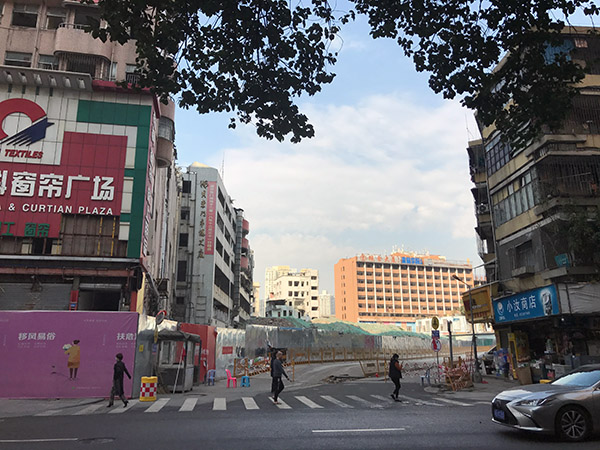
So, I realized the other day that I’ve been walking neighborhoods that have been scheduled for urban renewal without actually posting anything about them. I’m not sure if that’s because I’ve lost track of what iteration of Shenzhen planning we’re on, or if its just that construction sites blur together after awhile. At any rate, photos from a recent walk around Dongmen (东门) and Hubei Ancient Village (湖贝古村).

It’s been a while, but I’m back online, thinking the world through Shenzhen. Most recently, Made in China published a forum–Transformation of Shen Kong Borderlands— about the Shen Kong border. Denise Ho, Jonathan Bach and I co-edited the forum, which introduces the border, its history, and new perspectives on how people have lived within and between opportunities it has afforded.
The intro to the forum reads:
In August 1980, the Shenzhen Special Economic Zone (SEZ) was formally established, along with SEZs in Zhuhai, Shantou and Xiamen. China’s fifth SEZ, Hainan Island, was designated in 1988. Yet this year, the only SEZ to receive national attention on its fortieth anniversary was Shenzhen. Indeed, General Secretary Xi Jinping attended the celebration, reminding the city, the country, and the world not only of Shenzhen’s pioneering contributions to building socialism with Chinese characteristics, but also that “The construction of the Guangdong-Hong Kong-Macao Greater Bay Area is a major national development strategy, and Shenzhen is an important engine for the construction of the Greater Bay Area (Xi 2020).” Against this larger background, many interpreted the General Secretary’s celebration of Shenzhen to have put Hong Kong in its place, so to speak; Hong Kong may have contributed to the SEZ’s development, but the region’s future is being shaped in and through Shenzhen.
This forum offers historical and ethnographic accounts of the Shenzhen-Hong Kong borderlands as sites where cross-border policies, situations, and aspirations continue to inform and transform everyday life. In political documents, newspaper articles, and the names of businesses Shenzhen-Hong Kong is shortened to 深港 or “Shen Kong,” suturing the cities together as specific, yet diverse socio-technical formations built on complex legacies of colonial occupations and Cold War flare-ups, checkpoints and boundaries, quasi-legal business opportunities and cross-border peregrinations. The following essays show how, set against its changing cultural meanings and sifting of social orders, the border is continuously redeployed and exported as a mobile imaginary while experienced as an everyday materiality. Taken together, the articles compel us to consider how borders and bordering protocols have been critical to Shenzhen’s success over these last forty years. Indeed, we would argue, Shenzhen succeeds to the extent that it remains a liminal space of passage and transformation. As the Greater Bay Area once again remakes the region’s cultural geography, the stories and voices herein provide food for speculative thought about today’s Pearl River Delta betwixt, between and within China’s domestic and international borders.
O’Donnell, Bach, and Ho. 2020. “Transformation of Shen Kong Borderlands.” Made in China Journal 3: 93.

I was flitting about the internet and discovered that as of May 19, 2020 the portal for the Qianhai Cooperation Zone had moved [from Shenzhen] to the management platform of the Guangdong Provincial Government, which means that the administrative unification of the Greater Bay Area proceeds and that much of what happens in Qianhai will now have to be approved in Guangzhou. The political ordering is clear on the Chinese site. The official name on the platform is: 广东自由贸易试验区深圳前海蛇口片区前海深港现代服务业合作区, which translates as: Guangdong Free Trade Pilot Zone Shenzhen Qianhai Shekou Zone, Qianhai Shen Kong Modern Service Cooperation Zone. The order of the place names tells us that Guangdong Province is the ultimate authority over Qianhai, and that Qianhai and Shekou are both under Shenzhen. Hong Kong only appears in abbreviated form as part of the cooperation zone in the second part of the name.
What might this mean for Shenzhen and Hong Kong? Thoughts du jour:
Continue reading
Sometimes, I walk through older sections of the city, and I try to remember what it felt like the first time I walked there. Or, if I can’t track my emotional memories, I try to remember what this place used to look like. Who was here? What were they doing? Did I take pictures or take notes and if not, where has it all gone?
Continue reading
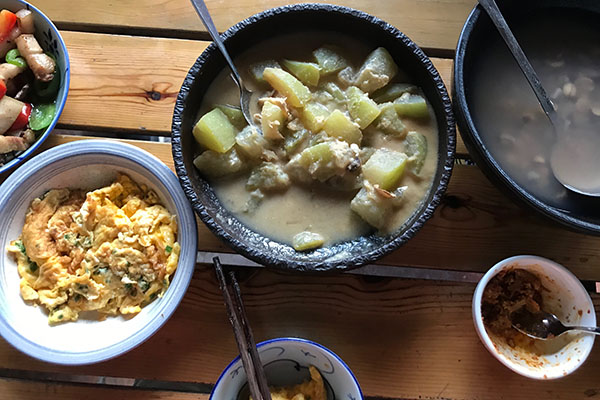
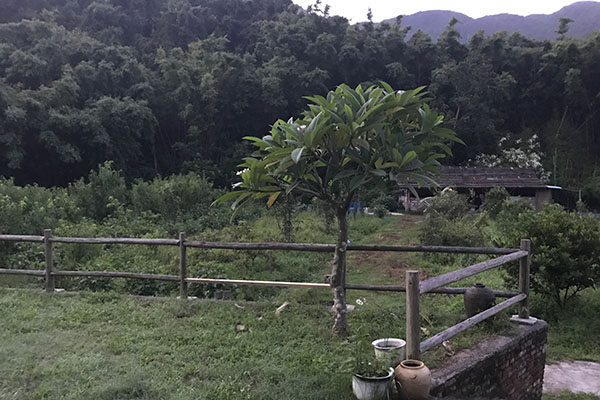
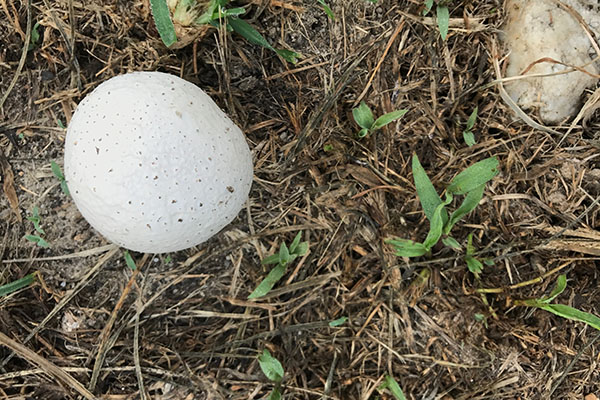
A few weeks ago, Handshake 302 visited a learning farm in Zhongshan. The farm was located in a valley near Zhuhai; five hundred years ago, the area would have been an island. There is underground spring water on the mountain, which facilitated the conversion of sand and silt runoff (from the West and North Rivers) into polders, where it was possible to grow rice and lotuses, and to cultivate fish ponds and vegetable gardens. This particular farm is too small to support a family, but large enough for children and their parents to visit and learn about organic gardening. Indeed, the municipal government has already annexed surrounding farms into its latest master plan. This farm survived because it has a “modern” purpose.






 Shenzhen Noted