baishizhou blues

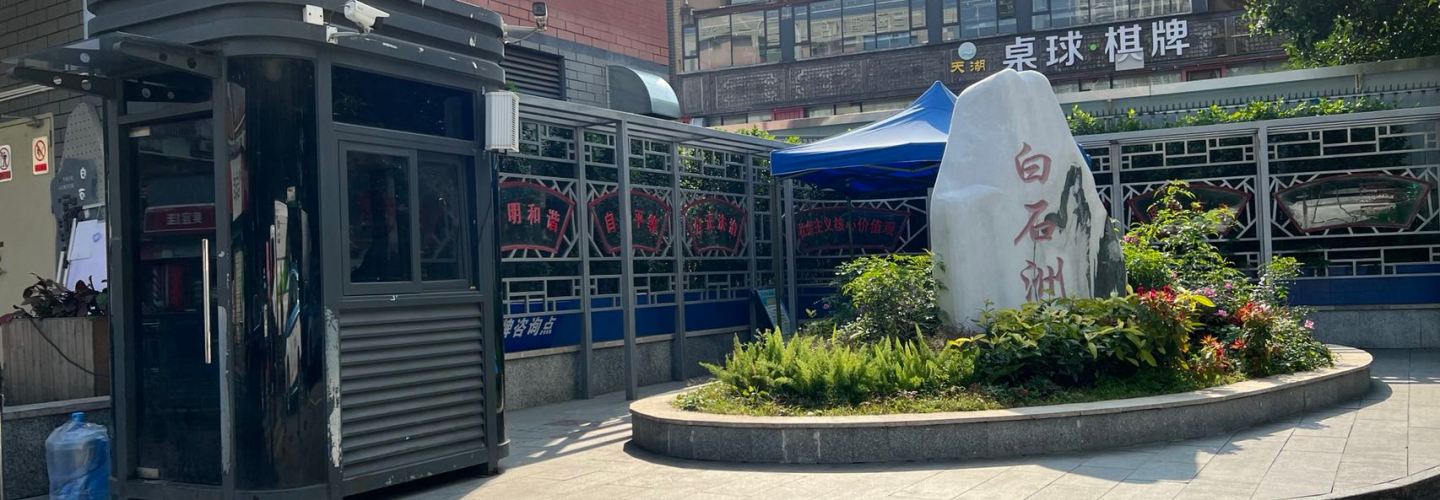
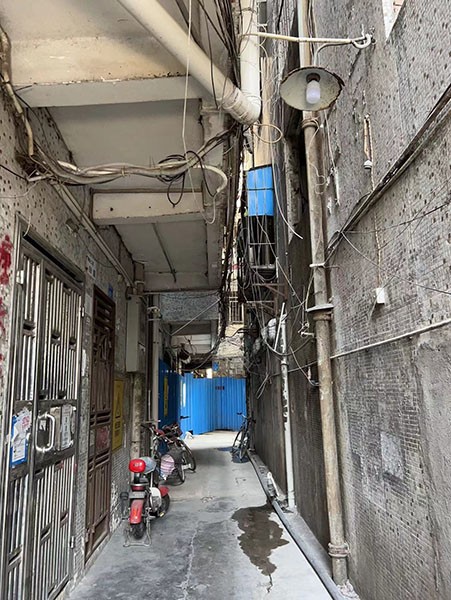
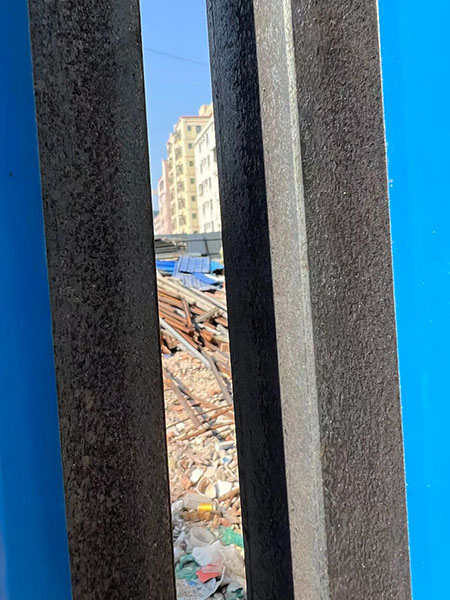
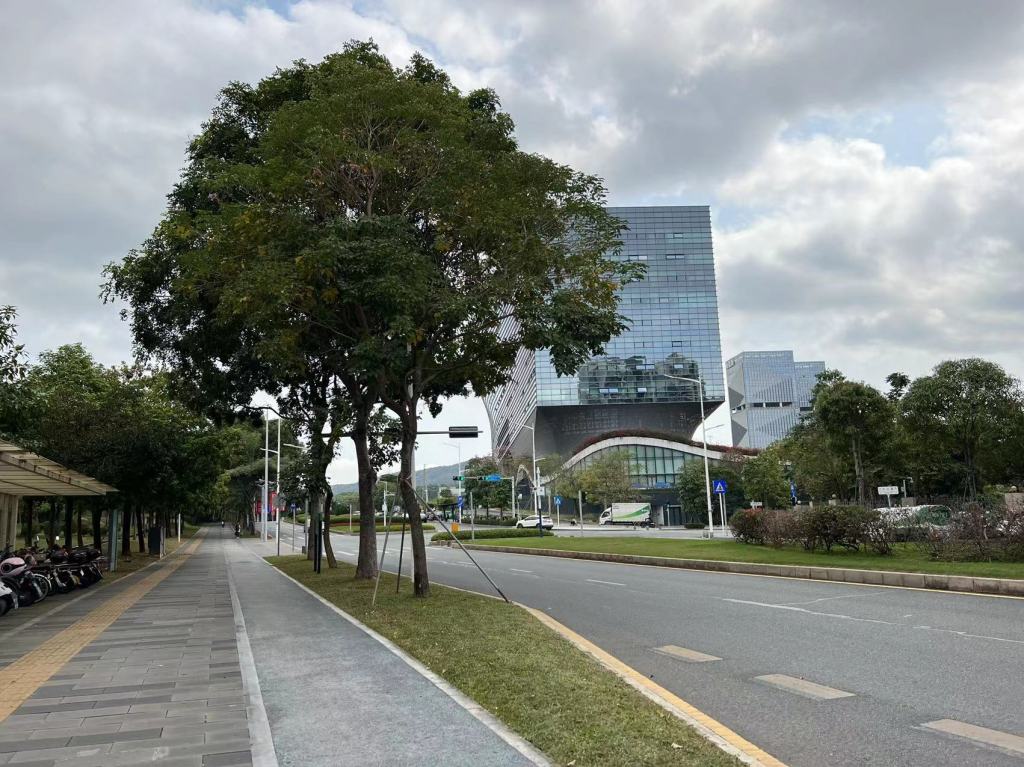
Demolishing an urban village, especially one as large as Baishizhou is a long and surreal process. Different sections of the village are at different stages of demolition, and while some buildings are still home to families and shops, others have already been replaced with temporary dormitories for construction workers because one of the main sections of the site is already going up. Impressions from yesterday’s walk:

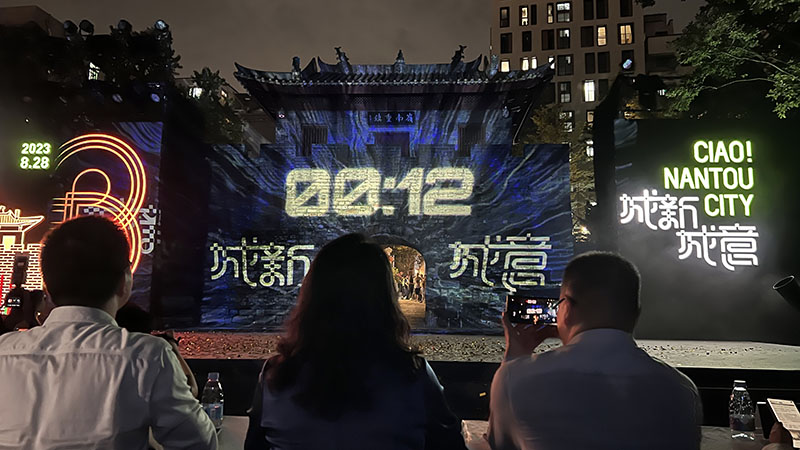
handshake 302+friends

It’s the tenth anniversary of Handshake 302 and you’re invited to the party!!!!

The first event is “Mahjong Parlor.” We have designed a deck of cards–a handheld exhibition. Each suit is a curated introduction to a Handshake project. Hearts are images from the village residency; clubs are from the Biennale; diamonds are from “Singleton Lunch” and; spades are from “Art Sprouts,” which we ran at the P+V gallery (Longheu Girls’ School) in Dalang. “Mahjong Parlor” will be held every second and fourth Saturday afternoon at at Stone Stage in Luohu.

So how did we get here?

Continue reading

return to dalang

Yesterday, for the first time since Covid lockdowns began and ended (three years!) I visited Dalang, where “Fashion Town 时尚小镇” continues to thrive and the biennale continues to serve as a transitional event, where art and creativity replace manufacturing. So two streams that converged. First, the exhibition itself was small, but interesting, occupying two floors in a repurposed late 80s early 90s factory. Indeed, this sub venue reminded me of early biennales, when the exhibitions were situated in such marginal places that curators had degrees of freedom that the main venue no longer enjoys. For example, while the Brewery main venue is larger and more interesting as a space, nevertheless it is obviously part of a redevelopment scheme. In contrast, while the Dalang venue signals the closing of an industrial park, nevertheless the artworks on display were edgy (for the times), several created onsite using the garbage that had accumulated in the park and its abandoned factories.

Continue reading

musing out loud about the past three years: wtf happened?

I’ve been talking with friends about what happened during zero Covid. Friends outside China say, “You have to let us know what really happened.” Friends inside China share personal stories and rumors. However, it seems pretty obvious that no one knows what happened. We know what we saw on our WeChat feeds. We know what family and friends have told us. We know what we saw and overheard while waiting in line for our daily test. But. That seems to be all we know.

Continue reading

新桥: the second largest village settlement in Shenzhen

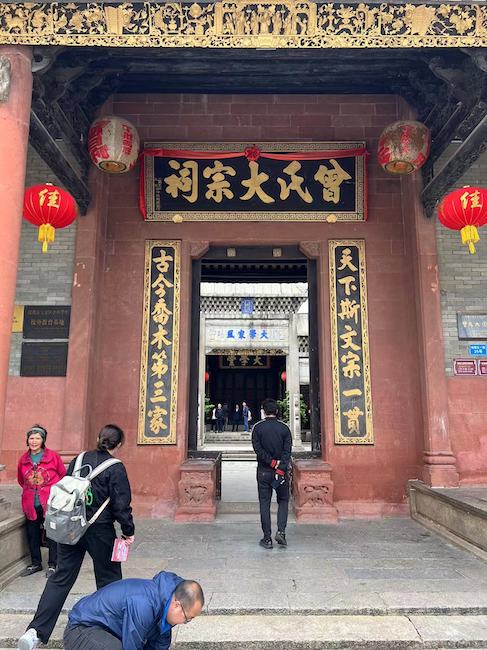
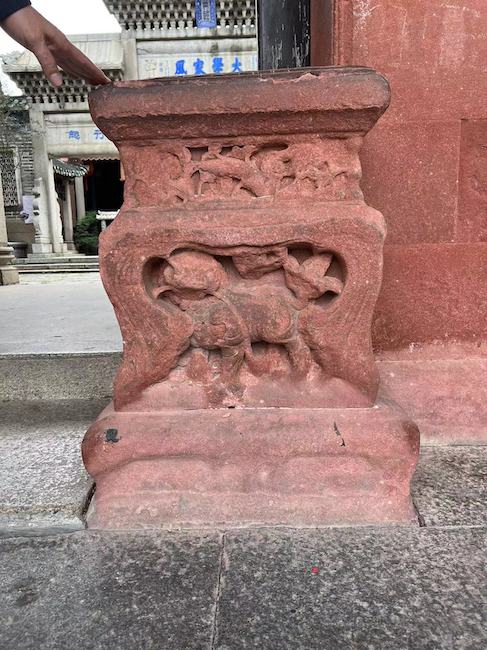
Yesterday, I visited the Xinqiao Ancient Architecture cluster. The museum has a few surprises, including documentation tracking land ownership from the Republican era all the way back to the Jiaqing era, which would be roughly late 1790s through early 1820s. Xinqiao has been an important settlement, and in fact, one of the compilers of the Jiaqing version of the Xin’an County Gazetteer was from Xinqiao.

According to members of the local history association, Xinqiao has historically been more important than the more famous Shajing. Shajing was famous for oysters, but Xinqiao had land and mountains, allowing for one of the largest agricultural settlements in the area. The historians emphasized that historically Xinqiao was water rich, allowing for cultivation of rice and lychees. A few impressions below.

so…. fenghuang city, guangming

Today I went into the very distant reaches of Guangming, to one of the new developments. During the Republican era (and from what I can glean, even earlier), this area was mountainous and had little agriculture. Consequently, in 1958, an Overseas Chinese Farm was set up here, bringing in both productivity and producing for the HK market. At the beginning of Reform and Opening Up they did some manufacturing (Konka and Overseas Chinese Town are both children of this settlement), but the area’s claim to fame remained agriculture, especially milk and roasted pigeon.

Point du jour: as with many parts of Shenzhen that missed the initial manufacturing boom (looking at you Longgang), the area is marketing itself as a high end suburban area. However, its far, far away (over 1.5 hours by subway from Shekou, or 3 hours round trip) and since there are few jobs out there, it’s filled with bedroom communities and empty shopping malls. A few snaps from today’s trip:

hop to it! it’s the year of the rabbit

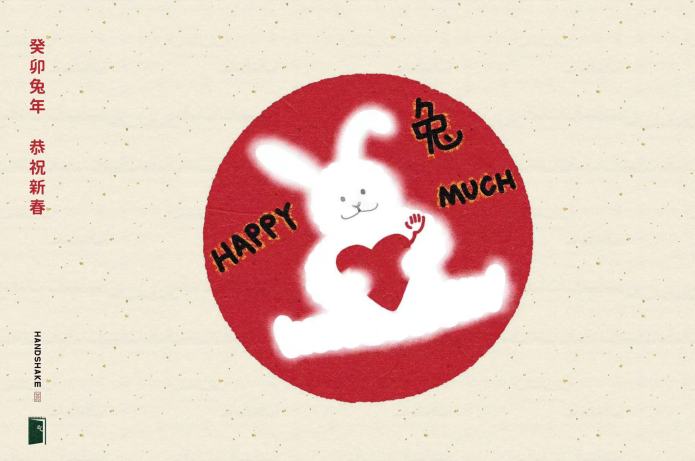
The year of the rabbit is upon us. It is also the 10th year that Handshake has been around; we’re still here, like the Whos of Whoville (Horton heard’m). At Handshake, we’re excited to start hosting events again and to use our work to explore what the past three years have meant to individuals, to groups and to the city more generally. Where are we, and how did we get here?

May you and yours thrive this year, may y’all find joy in your endeavors, and companionship on your uniquely wonderful paths.

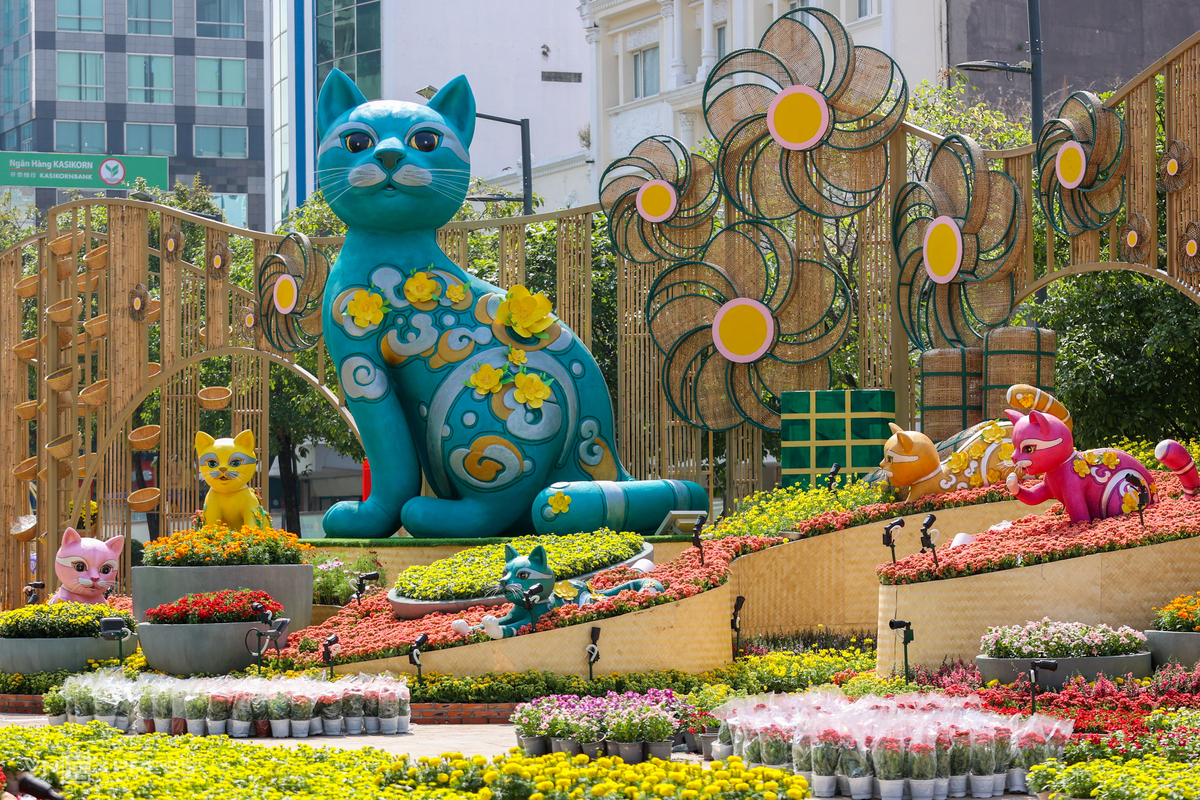
Just fyi, Vietnam is celebrating the year of the cat! And I’m tempted, so tempted to post felines. All year. Nothing but cat videos in 2023.

morning tea

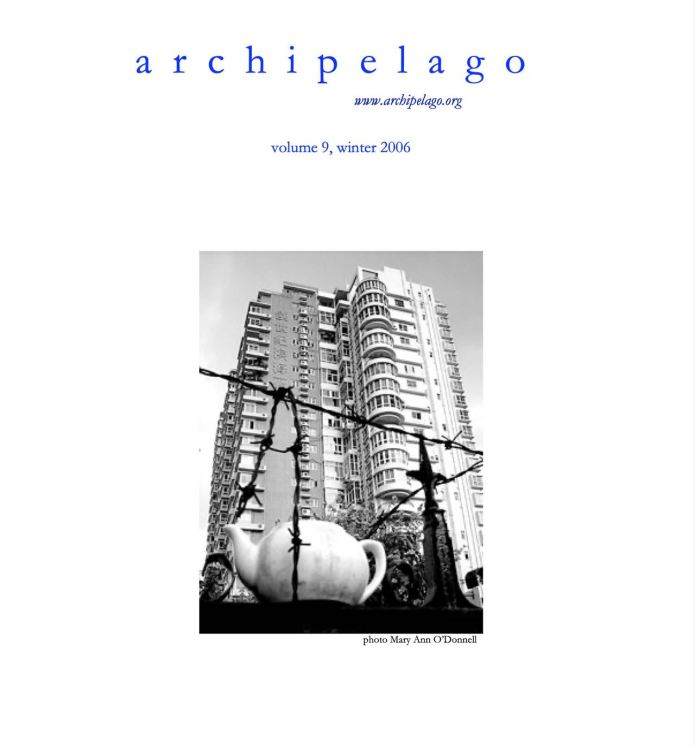
So, “Morning Tea,” a 15-year old blast from the past: a creative non-fiction piece that I wrote about Shenzhen in 2006. The essay includes photos of lost objects that I used to take on my walks–in the 00s the inner districts were still under construction and I was constantly stumbling on discarded stuff. Indeed, the earliest incarnation of the blog began with photographs from this walks (those early galleries are still up on livejournal). “Morning Tea” was published in archipelago (vol 9, winter 2006), an online journal that seems to have been around for 10 years…
a baishizhou postscript–chen chusheng

Several years before he was champion of the inaugural and influential singing competition 快乐男声 (on Hunan TV), Chen Chusheng 陈楚生 lived in Tangtou, Baishizhou. Indeed, the first stop on his musical career seems to have been Shenzhen, which in the late 1990s, early 2000s was famous for its indie and rock music scene. The musicians lived in urban villages and performed in the city’s many bars and infamous nightclubs.

The above image Shenzhen (2000) by Yu Haibo 余海波 not only gives a sense of what the city’s nightlife was like at the turn of the millennium, but also the frantic energy that characterized that scene. Of course, Chen Chusheng took a more laidback and folksy approach. His song, Baishizhou sounds almost pastoral, in stark contrast to the world outside his Tangtou apartment. And yes, circa 2000, Baishizhou was not yet linked to the urban grid and Shenzhen was still the world’s factory, relying on the highly transient residents of the villages.

Continue reading

processing shajing oysters, the postcard edition

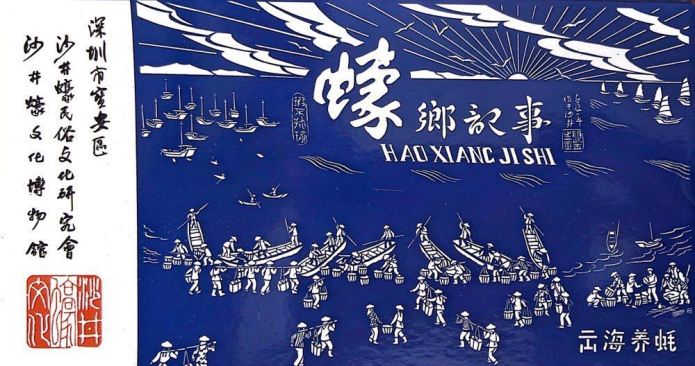
One of the purposes of this blog has been to document changes in Shenzhen’s cultural geography. A second purpose has been to observe changes in what is represented and how the representation aesthetic have also shifted. Sometimes it’s like we’re not seeing and talking about the same city. Postcards from a long-ago Shajing oyster culture museum give a sense of those discrepancies–what was thought valuable and who was able to transform cultural geography into what kind of story.

Continue reading