remembered origins

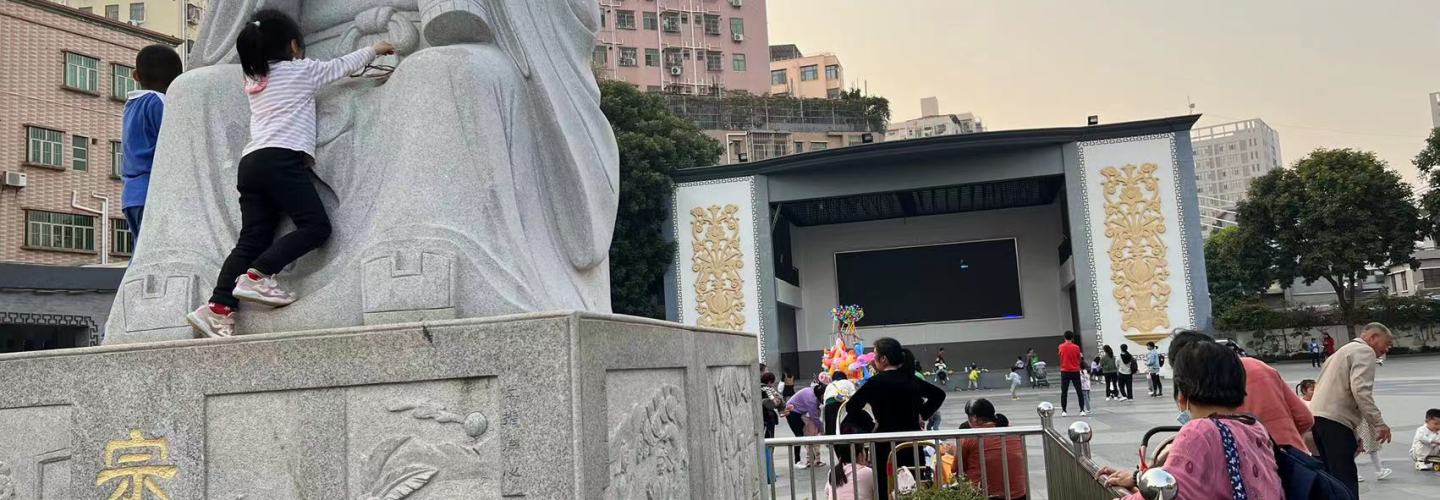
For those who haven’t visited the Shekou Museum of Reform and Opening, it’s worth a trip if only to check out where the story begins. All stories of the Special Economic Zone begin with Deng Xiaoping, however, the historical problems that Deng Xiaoping is said to have solve differ from museum to museum. At the Shenzhen Museum of History, for example, Deng Xiaoping solves the historic problem of colonialism. In contrast, at the Shekou Museum of Reform and Opening, he solves the social problems that were caused by political mistakes–famine during the Great Leap Forward and relative poverty during the Cultural Revolution.

This slideshow requires JavaScript.

Continue reading

eccentric skylines

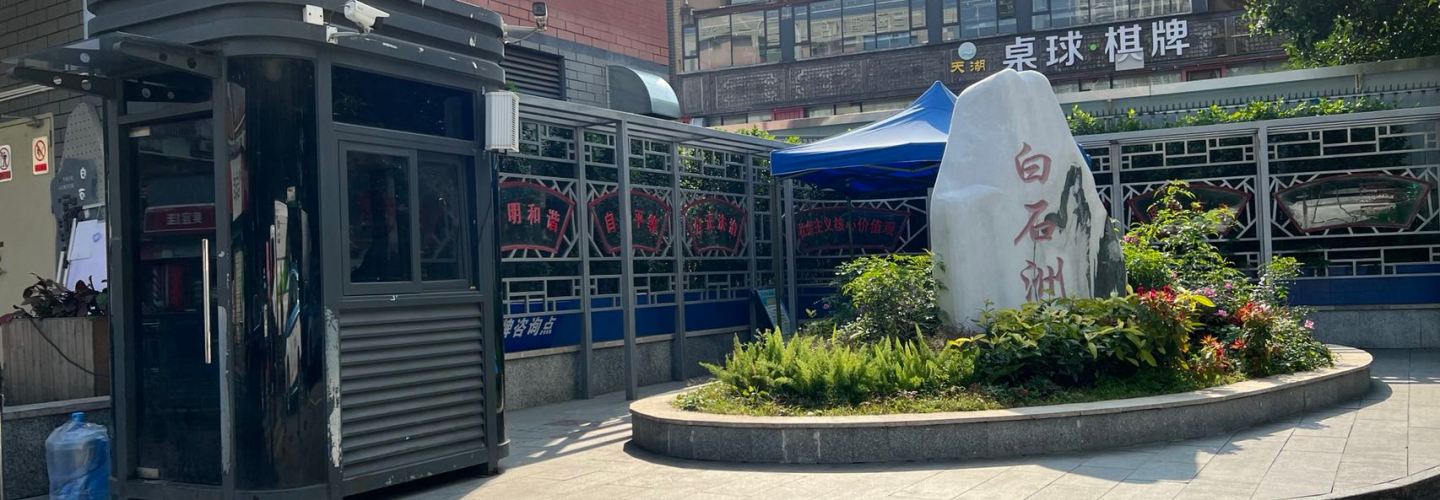
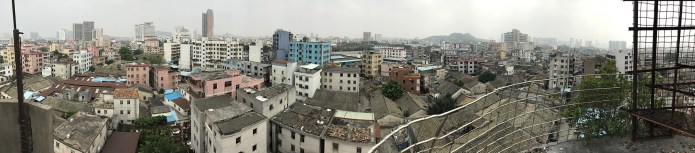
I visit urban villages because they allow space for eccentricity, for unexpected juxtapositions that suggest the contours of history. And yes, these spaces are not simple agrarian settlements, but sites where wealth has accumulated for several hundred years, where ideas about what that history might mean have taken alternative forms. Continue reading

special ghosts of futures past

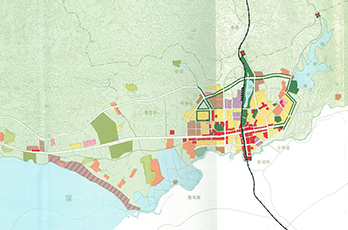
For those curious about Shenzhen’s shifting terrain, please check out excavating the future in shenzhen. This essay tracks the changing location of “Shenzhen” within and against the city’s vernacular geography as well as competing versions of “Shenzhen” which continue to invigorate (or vex, depending on perspective and intention) its urban plans. This essay is chapter 21 in Urban Asias: Essays on Futurity Past and Present, edited by Tim Bunnell and Daniel P. S. Goh.

join us in hong kong

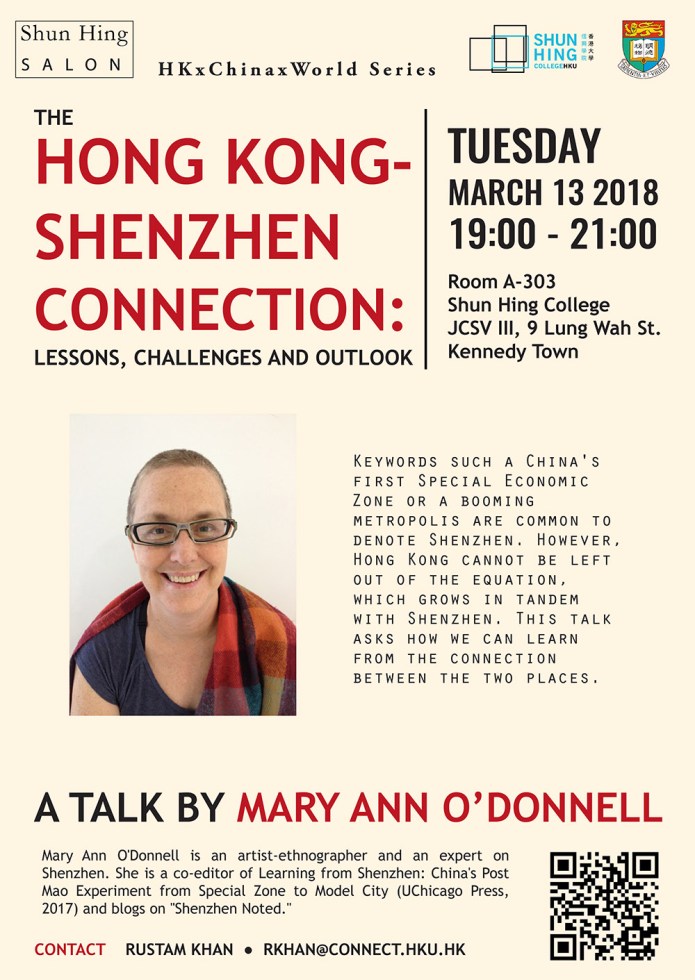
Tomorrow evening I’ll be talking about Shen Kong at HKU’s Shun Hing College. Please join us. The talk is free, but we ask that folks register at  http://www.shunhingcollege.hku.hk/event/the-hong-kong-shenzhen-connection-lessons-challenges-and-outlook/.


asian future(s)

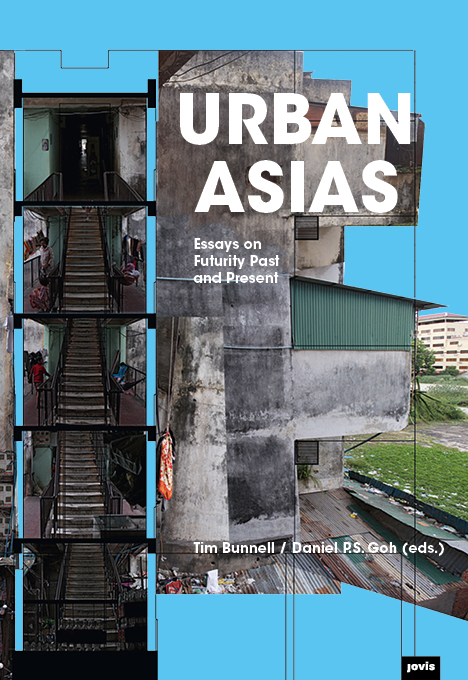
If you’re wondering how Shenzhen’s urban village experience does and does not map into planned and unplanned urbanization and concomitant urbanisms in Asian Cities, please check out Urban Asias: Essays on Futurity Past and Present. Tim Bunnell and Daniel Goh have edited this cross-disciplinary discussion about how cities manifest future dreams and aspirations, as well as the problems that arise when the forms of outdated futures structure everyday life.

Also: the more I interact with architects, urban planners, and designers the more I have come to appreciate good design. As an object, the book is lovely.

Join us in NYC

IMG_9752

invitation to miia’s salon

During the month of January 2018, MIIA AUTIO has been the artist-in-residence at Handshake 302. On January 19, 2018 she introduced her previous work to us. This Monday, January 29, 2018, Miia will give us a glimpse into her Baishizhou.  Continue reading

Why is Shenzhen not taken?: A preliminary report from an uncertain field

Jonathan BACH opened our three-day workshop “Informal Plans, Planned Informality: Shenzhen as Model and Field” with the observation that our goal is not to map the borders between the proper city and its others, but rather to track the (slightly inflammatory, a bit delirious) algorithms that constantly produce those borders, which in turn keep re-producing the city. What does it mean, we ask, to document uncertainty?

This slideshow requires JavaScript.

Continue reading

meet miia!

During the month of January 2018, MIIA AUTIO is the artist-in-residence at Handshake 302. Based in Helsinki, Finland, Miia is a photographer and lens-based media artist who is interested in presenting societal issues in a way that knowledge and understanding is born through the interaction between the viewer and the work. In her works she deals with the themes of identity, foreignness and viewership. Continue reading

poverty isn’t a sign of moral depravity…

…or incompetence or sexual deficiency (if male) or too much testosterone (if female). And yet. The city’s ideology continues to promote masculinity and personhood as signs of the moral and deserving self, rather than effects of a class system that remains predicated on rural-urban divisions. Indeed, Shenzhen illustrates that even when rural people have become part of the urban prolitariate they can be ruralized with respect to the city’s more urbane classes. Continue reading