who’s the intended audience of shekou’s colonial nostalgia?

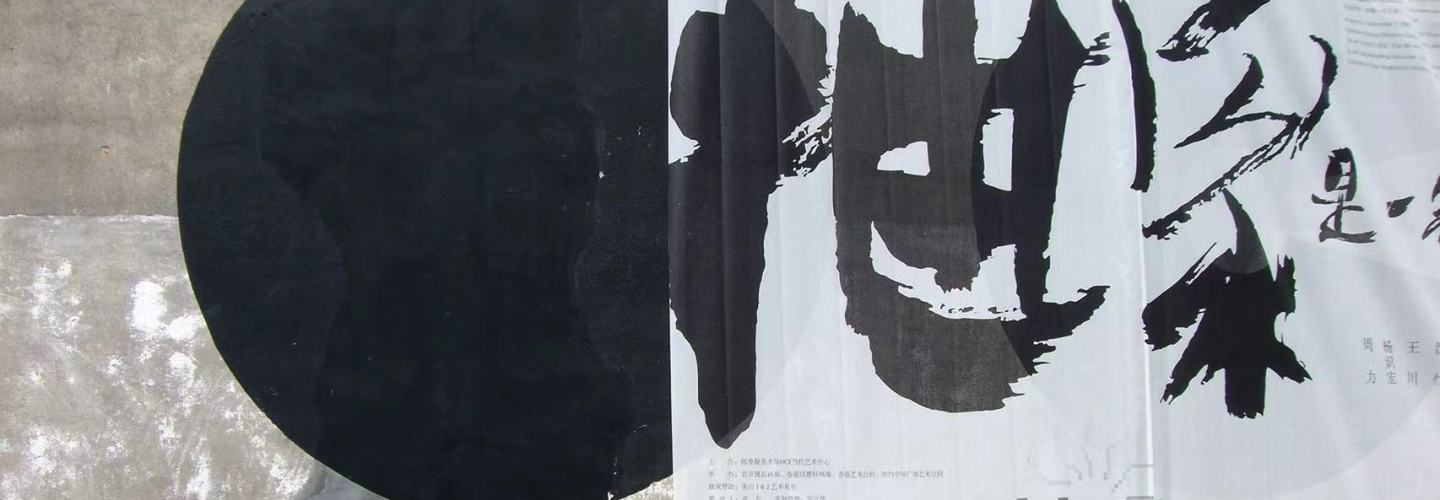
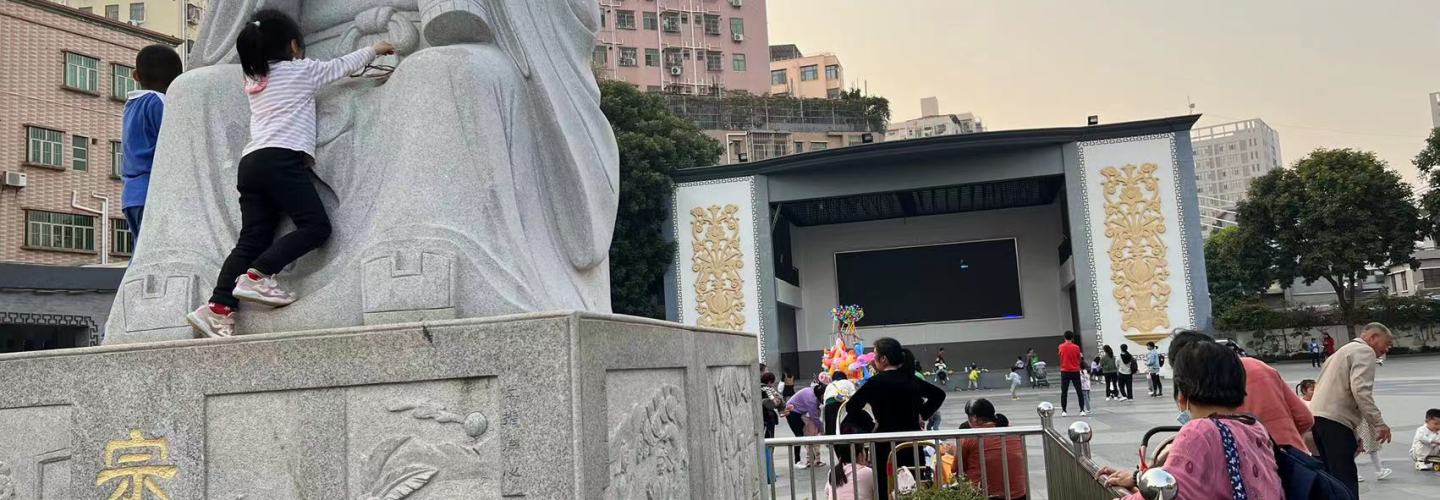
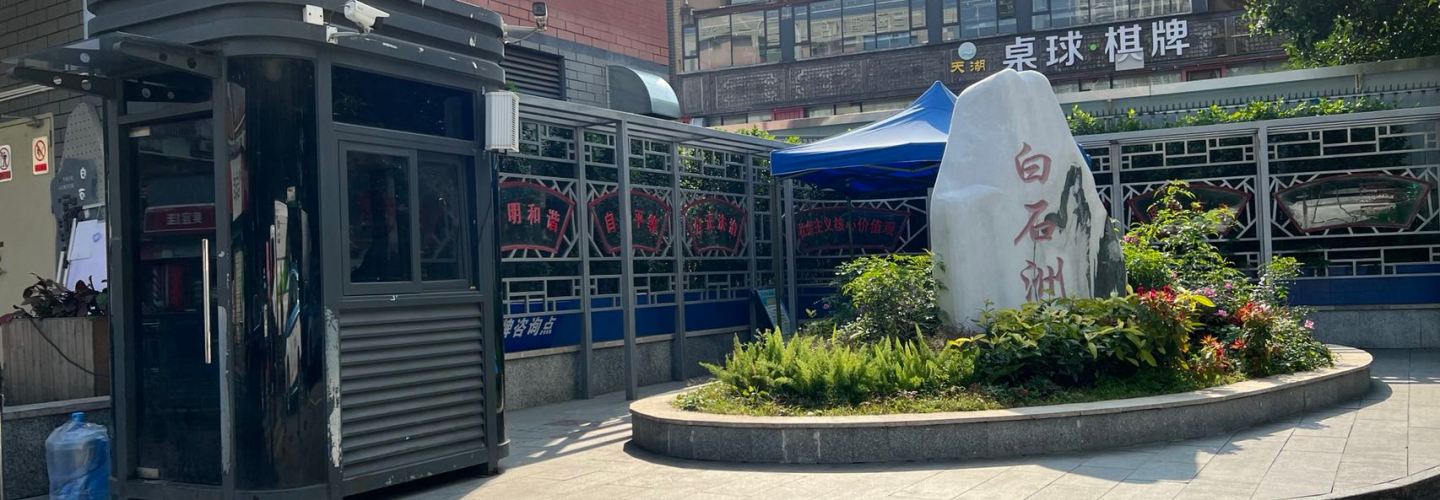
The new publicity campaign for the Shekou line is advertising recent renovations. The look is high-end water color, with disconcerting images. It seems the intended audience is nostalgic for colonial times. But that would be westerners, no? Perhaps, the intended audience finds colonial westerners more civilized than the area’s actual foreign residents? Thus, the point is to attract a certain type of foreigners who in turn become a tourist attraction for neidi Chinese visiting Shekou? I’m confused.

poor but honest farmers? that’s the buzz…

乡下人三句话培养好孩子:1。孩子,爸妈没本事,你要靠自己;2。孩子,做事先做人,一定不能做伤害别人的事;3。孩子,撒开手闯吧,实在不行,回家还有饭吃。

城里人三句话害孩子:1。宝贝,好好学习就行,其他爸爸妈妈来办;2。宝贝,记住不能吃亏;3。我告诉你,再不好好学习,长大没饭吃!

Country people raise their children on three sentences: 1. kid, your parents are useless, you’ll have to depend on yourself; 2. kid, to accomplish anything, first you have to be a good person, never do anything that would harm anyone else; 3. kid, let go and give it your best shot, in the worst case, if you come home there’ll still be food to eat.

City people harm their children with three sentences: 1. darling, all you have to do is study, daddy and mommy will take care of the rest; 2. darling, always remember you can’t loose out to anyone else; 3. I’m telling you, if you don’t sit down and study, when you grow up you grow up, you’ll have nothing to eat!

’nuff said.

南岭村:even after death our ashes won’t return…

Episode 4 of the Transformation of Shenzhen Villages focuses on Nanling Village, which became famous throughout the country as the “争气村 (hardworking village)”.

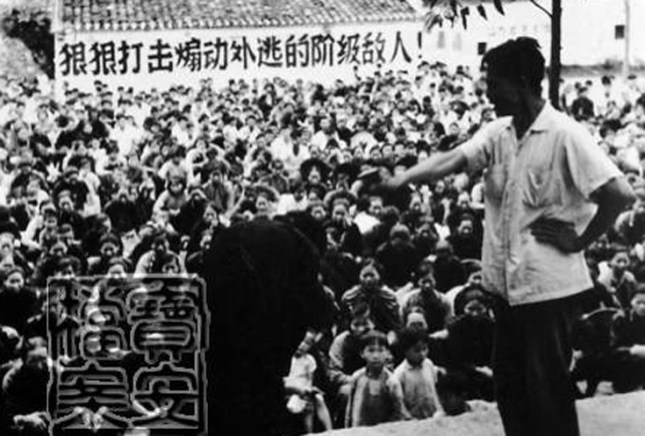
Nanling’s [Shenzhen] story begins in 1979 with the last mass exodus of Baoan economic refugees to Hong Kong. That day, Shaxi Brigade [Nanling’s collective predecessor] Vice Secretary Zhang Weiji came home to discover that his wife had joined several hundred other villagers who had decided to make the run for Hong Kong. Zhang Weiji went to the border and called for his wife and fellow villagers to return home with him. One of the runners looked over his shoulder and shouted, “Even after I’m dead my ashes won’t return to this place.” In the end, 50 villagers and his wife returned with Zhang Weiji to what had become another of Baoan’s ghost villages. The secretary vowed to transform Nanling into a village where people would stay and live out decent lives. Over the next decade, Nanling became one of China’s most important symbols of Reform and Opening as a means of achieving rural urbanization. Indeed, both Jiang Zemin and Hu Jintao have visited the village on inspection tours to promote and confirm Nanling as a model for other village urbanization projects.

Continue reading

mandala: fat bird at the sz fringe

Dates: Dec 8 through 11

Time: 19:45

Venue: Shenzhen University Small Black Box Theatre (located at the back of the Student Center)

新秀: end of another line

This slideshow requires JavaScript.

This weekend walked around the Xinxiu area. Located just east of Caiwuwei, Xinxiu was part of early, early Shenzhen development. However, as the SEZ developed in a westerly direction (away from Wutong Mountain), Xinxiu got stuck in mid 80s architectural forms, with occassional circa 1992 eruptions. And yes, Shen Gang New Village recalls the early days of cross border investment and like “xiao kang” has vanished from everyday conversations. More importantly, these impressions suggest the human scale of early Shenzhen. Look closely and note the clear water, the open neighborhoods, and low cost housing options that are scheduled for upgrading. All this to say, unlike many other built, rebuilt and razed again housing developments, Xinxiu feels like a neighborhood, in the old-fashioned sense of the term.

downtown

This slideshow requires JavaScript.

Downtown Shenzhen used to be the area around the Luohu train station, moving east (toward the Wenjingdu border crossing) and west (toward Caiwuwei, the site of Baoan County Headquarters before 1979). Caiwuwei remains the Municipality’s financial center. However, there are still traces of early Shenzhen scale and place names to be found, even when standing at the intersection of Shennan and Hongling Roads, site of the billboard to Deng Xiaoping and the promise of stable political policies. Impressions, above.

The Fishing Village that Became a World Symbol: 渔民村

So, I have been catching up on the Shenzhen documentary, 沧海桑田:深圳村庄30年. After setting the historic stage with rural poverty and economic immigration / cold war defection (episode 1) and then national policy (episode 2), the documentary turns to specific villages both to illustrate general trends in SEZ history and to introduce the players. So today, 渔民村 (Yumin Village – episode 3), at the heart of the earliest reforms.

Yumin Village has an important place in both national Chinese and local Shenzhen symbolic geography for three reasons, but most importantly for revealing the prejudices built into the landscape, locally, nationally, and internationally. Continue reading

City of Suspended Possibility…

Friend Jonathan Bach has written a beautiful essay, Shenzhen: City of Suspended Possibility. Highly recommended because he nimbly places myths about success and failure, homecoming and homemaking, and self-construction and urbanization with respect to western theories of the same. In other words, City reminds me why the essay remains my favorite genre; illumination on the human condition through critical perspective and sympathetic voice.

Breaking the Ice

So, episode 2 of 沧海桑田 is 破冰. What was the ice and how was it broken? A few notes, below.

Episode 2 begins with shots of thick ice on the Huai river, the narrator metaphorically speaking about the frozen space between two shores. Not only an obvious (and simultaneous) reference to the Sino-British border (on either side of the Shenzhen river) and the Taiwan Straits, but also a description of how the planned economy made the lives of Anhui farmers difficult. A relevant reminder: the reforms initiated in Shenzhen began with Wan Li (万里)’s efforts to liberalize agrarian production in a part of the country where it does snow. Continue reading

沧海桑田:The transformation of Shenzhen Villages

For those wondering, is there a documentary on Shenzhen villages out there? The answer is yes and its 15 hours long! CCTV and SZTV produced 沧海桑田:深圳村庄30年,  a 30-episode television documentary to commemorate the SEZ’s 30th anniversary.

Not unexpectedly, the documentary’s ultimate happy end is urbane Shenzhen. Nevertheless, each of the 30 episodes does raise issues worth talking about and also gives current Party takes on these issues, which is always useful information. In fact, that take may be the point; the commemoration of the SEZ’s 30th Anniversary included a more inclusive and nuanced understanding of pre-reform Baoan society and history, reminding us that the villages no longer exist as such. What remains are ideological and economic struggles over the properties held by [former village] stock-holding corporations that have not yet been fully integrated into the Municipality’s urban apparatus.

That said, however, there is also the question of what a truly integrated Shenzhen society might look like. And consequently it is interesting and hopeful to think that the economic questions may also force re-evalution of who belongs in the city.

So, how are those ideological battles being waged in the contemporary SEZ?

Continue reading