all that is solid…

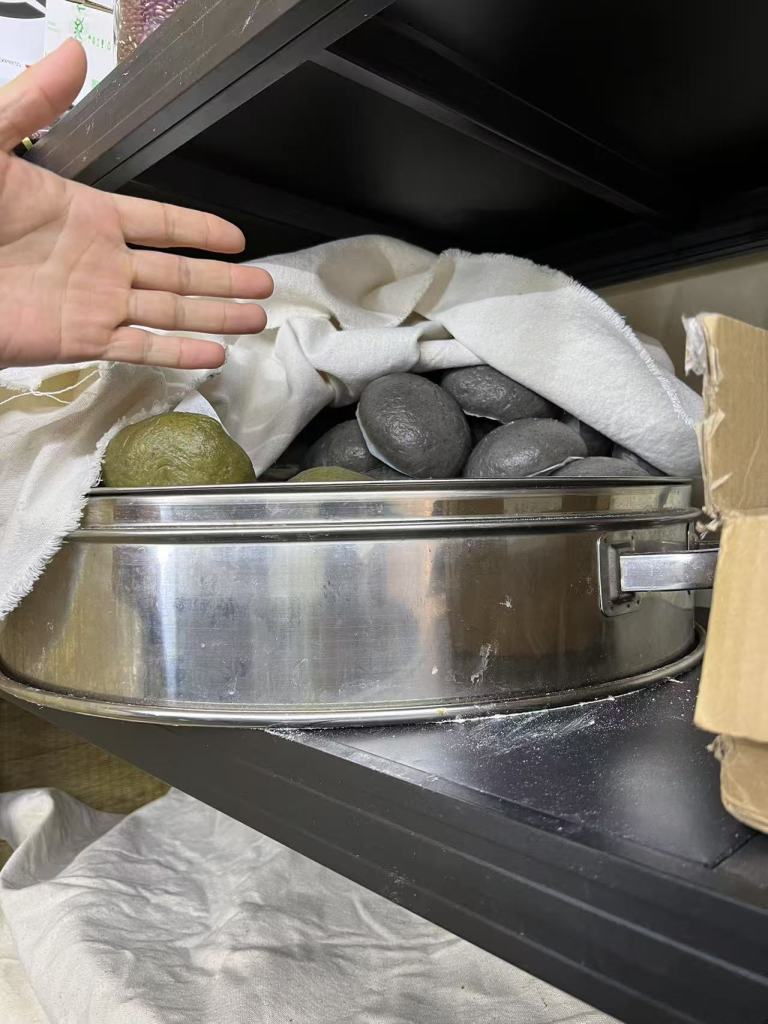
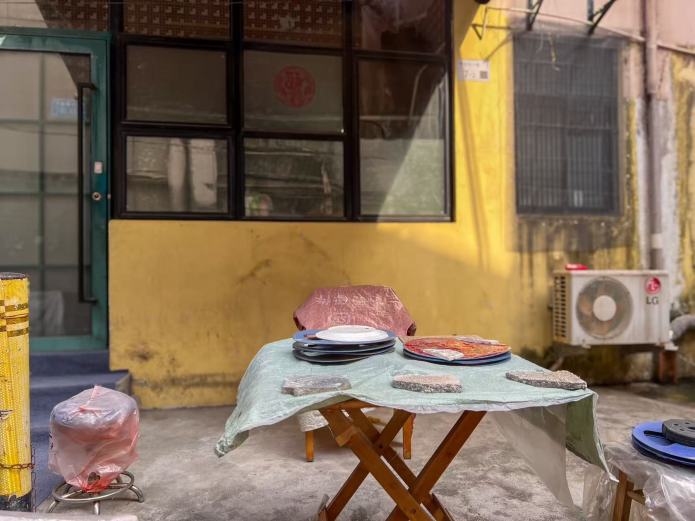
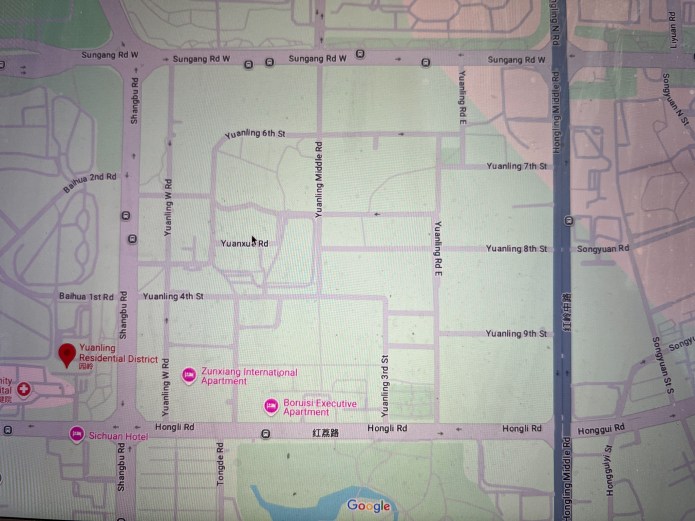
Originally a farmer, in Shenzhen CY worked in a kitchen at the Shangri-la Hotel in Xili and then went to eastern Huizhou to run a small, organic farm. Unfortunately, he couldn’t make a living as a farmer. Now he’s selling organic organic congee, buns, and medicinal teas. and sourcing his material through a network of “farm friends 农友.” CY’s restaurant used to be a first story apartment, which has been divided. In the other section of the house, a bike repairer lives. It’s the low rent that brought them to Yuanling. A two- or three-bedroom apartment can rent for as little as 5,000 rmb a month. He pays 3,100 for his section of the divided apartment.

Continue reading
quotidian tech chez sz

Short update on all the tech stuff I’ve encountered today. I had breakfast with friends who said that they were using AI to read and summarize books for them and that while an expert might do better, DeepSeek was faster and more accurate than a young, just hired employee. I then when to Handshake for an event. Outside Nantou Ancient City, there was a robot sweeping the path to the south gate and a police robot that could take reports and photos. My day concluded with to a virtual exhibit on Pompei. Digital impressions of recent archaeology which allowed for the discoveries to be shown to scale, without giving a sense of the texture of anything. In fact, only the souvenirs were material. So we went through a virtual exhibition and could leave with high quality tchotchkes.

Baishizhou update

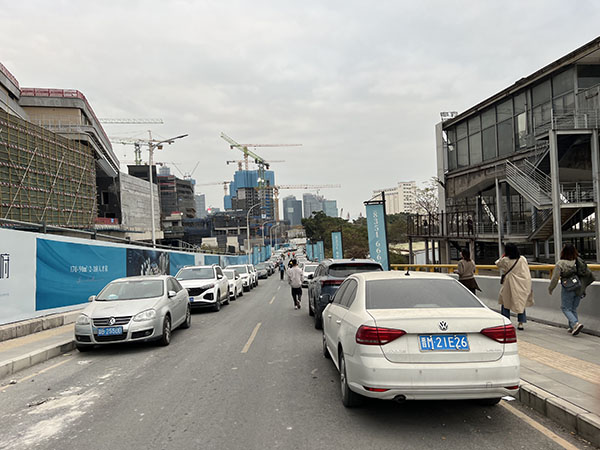
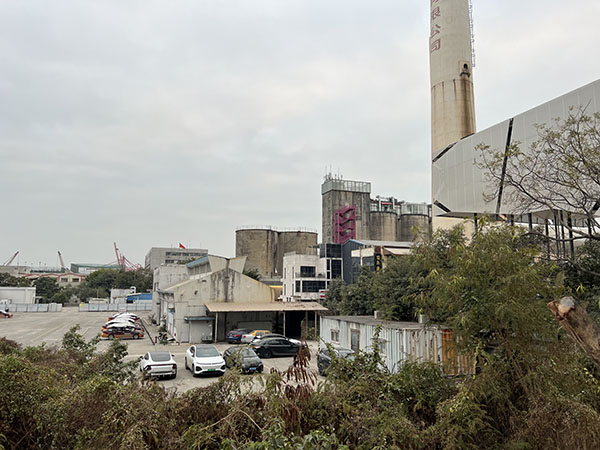
So, rumors before pictures. They say Lvgem 绿景 is bleeding. I’ve been told that the company can’t pay back the interest on its loans, let alone make a dent into the principal. Moreover, its become a problem because they are also unable to pay for the housing for the villagers who will move back 回迁 to Baishizhou, once the first buildings are complete. Nevertheless, on the ground its difficult to see any problems. The buildings are going up, and two developments–Century City and World Garden Milanju–are open for residents.

Continue reading

an apparatus of integration 2: the shen kong border, wutongshan south to liantang

Yesterday had a wonderful time with good friend Denise exploring Shatoujiao and then the land border from Wutongshan South to Liantang subway stations (Shekou Line). Three observations (with illustrations!) and unsubstantiated speculation, below:

Continue reading

wtf huanggang?

These past few days we’ve been “eating melons,”–the colloquial expression for watching other people’s drama. This time, its an internecine melodrama starring the Shuiwei and Huanggang Zhuangs.

Continue reading

where in shenzhen is mary ann odonnell?

Today, I’m in an English language reader for Chinese elementary and middle school students! I’m in the People Power section along with Zou Hongtao (who came to Shenzhen in 1979 with the Corps of Civil Engineering) and Frank Wang Tao (汪滔), the founder of DJI. It’s true, China’s Foreign Language and Teaching Press is putting out a series of graded readers for young students and I’m in the Shenzhen book, City of Miracles.

a look back

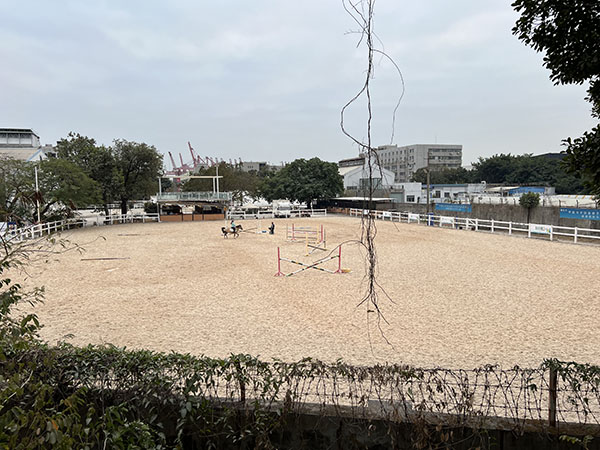
You may remember the 2013 UABB the Value Factory, which aimed to place Shekou once again at the heart of Shenzhen culture. Well, today I went back, and its all real estate, complete with a horse-riding practice area. So, first post of 2024 is just a note that changes changes and more. Changes.

luohu landmarks: the border as an apparatus of integration

The Shenzhen-Hong Kong border at Luohu manifests the contradictions and aspirations of integrating the two cities. On the one hand, the border has been solidified with concrete and barbed wire, while on the other, the border is presented as an easily accessible gateway to a modern shopping experience. Indeed, the concrete and barbed wire fence that lies parallel to the border is located directly behind Luohu Plaza, as seen in the pictures below.

Continue reading

bogang, shajing, bao’an, shenzhen

Shajing is a large subdistrict in northern Bao’an. Until the road system took shape and the second line ceased to operate as a strict boundary (both circa 2003-4), most locals went to Changping, a market town in southern Dongguan when they wanted to purchase or enjoy those things that were only available in a town. Historical Shajing comprises three main areas: the oyster settlements, Bogang, and Wanfeng. Indeed, one of the pleasures of visiting a Shajing neighborhood is not only its architectural and cultural diversity, but also the reminder: Shenzhen has only become important recently. Historically, the largest settlements were located along the northwestern coastline in the Fuyong-Shajing plain.

Continue reading

embodied time

How does one count time in Shenzhen? There are five-year plans and there are different eras: the Special Zone and Shenzhen 2.0, for example, are phrases which circulate in conversations about urban planning. The also seems to be a folk calendar that counts political eras as embodied by religious figures.

Continue reading