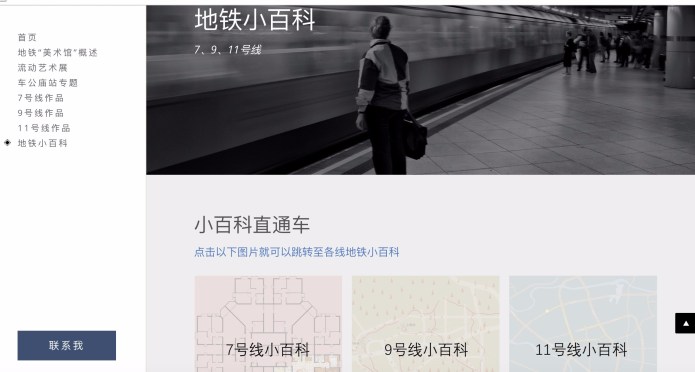
..is now online. For those interested in the maps and insights that we produced for the “mini-wiki” those images and ideas are also online. I’m working on getting the English versions up online. In the meantime, enjoy!
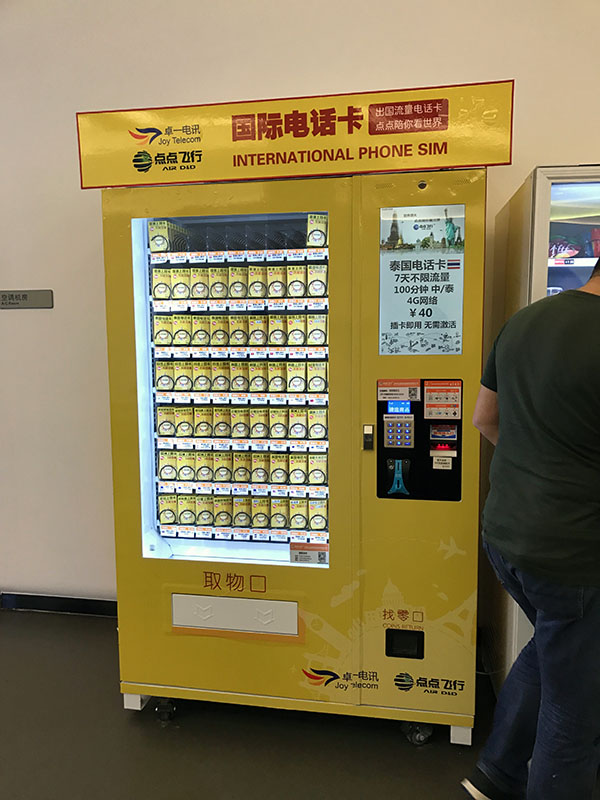
So yesterday I flew from Hong Kong to Ithaca, NY via the new Shekou Cruise Ship Terminal. There just as one walks in to the waiting room stood an international sim card vending machine. It holds phone sim cards for Thailand, Vietnam, Japan, Korea, Taiwan, Singapore, Malaysia, the United States and the Philippines. There are also internet sim cards for Europe, United Arab Emirates, India, Hong Kong, and Macau. So yes, this is a pretty reliable map of what are now know as “the one belt, one road countries”.

…is big and far from the subway station that so usefully served the old ferry terminal. And yes, hidden behind reclaimed construction sites, the new terminal embodies how Qianhai–as a place and eponymous ambition–is reshaping the coast. Again.

Visiting the Honghe Vineyard in Mi Le, Yunan, I am reminded how necessary a full sense life is; yes, it is beautiful here, but even more than visual, this is a beauty of open ears, nose, and mouth. Birds sing, flowers entice, spices and herbs tempt the tongue, and the breeze lightly touches open skin. Yet, in the middle of it all, my guide points to an “urban village.” The form has been generalized, something else that we have learned from Shenzhen and Guangzhou. Can there be meaningful rural life when urban consumption of the rural has pre-empted actual villages as the presumed mode of living, even here.

We are slow, but we move forward. Here’s Handshake’s most recent intro-PDF:
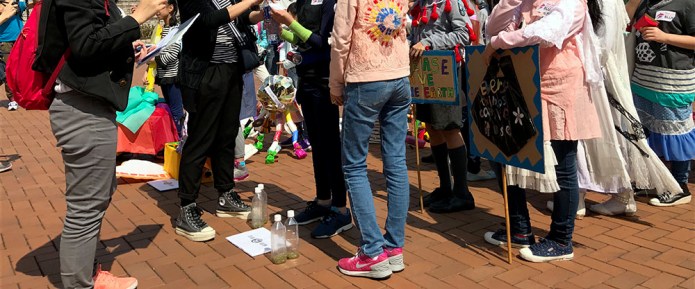
Yesterday I participated in the 蓝海生态艺术巡游 (Make Our Seas Come BLUE) parade, which was organized by CULTaMAP‘s indomitable Tracy Lee. We marched from Statue Square to the Hong Kong Maritime Museum via Victoria Harbor. The march culminated a cross-border Hong Kong-Shenzhen pedagogical collaboration to draw attention to garbage in the oceans, children’s ability to speak to issues that will shape their future possibilities, and the responsibilities of their adults to facilitate uncomfortable conversations in safe environments. Continue reading
The movie is 《封门诡影》 and it starts of with the fear of abandoned villages as if the reason was for villages being emptied out was supernaturally evil. Fengmen (literally closed door) Village was inexplicably abandoned. I’ve never never seen Blair Witch, but this movie seems kind of like, but with ghosts and dodgy fengshui. Our intrepid hero teaches psychology and has issues because unable to understand evil within his cognitive framework. It’s all in your mind. But not really. Cut to evil cackle.

For those who doubt that once upon a time Bao’an County was coastal, I offer images from Baguang, one of the more beautiful sections of Dapeng New District. The majority of Baguang villagers have been relocated, while land and coastline have been red-lined for environmental protection, green living and research. At the moment, Baguang shimmers at the cusp of redevelopment–not yet remade, but yet already under erasure. Boom!

The entrance to Changling Village (长岭村) is located on the southern side of Luosha Road at the foot of Wutong Mountain. Before the construction of the Binhai Expressway (1999) and the opening of the East Coast Highway (2008) made traveling across Shenzhen commonplace, Changling marked the practical eastern edge of the early Special Zone. Today, however, Changling is conveniently located on the J1 bus route which connects Seaworld at the southern tip of the Nantou Peninsula to Dameisha on the eastern edge of the Dapeng Peninsula. The entire trip takes 90 minutes without traffic, but usually takes over two hours. Indeed, the J1 route traverses the entire Shenzhen-Hong Kong border, and its constituent roads—Houhai Road, Binhai Expressway, Binhe Road, Luosha Road, and Huishen Coastal Express—literally name the waterways and migrations that once shaped the area: Backwaters, Oceanside, Riverside, Luohu to Shatoujiao, Huizhou to Shenzhen. Continue reading
 Shenzhen Noted