hop to it! it’s the year of the rabbit

The year of the rabbit is upon us. It is also the 10th year that Handshake has been around; we’re still here, like the Whos of Whoville (Horton heard’m). At Handshake, we’re excited to start hosting events again and to use our work to explore what the past three years have meant to individuals, to groups and to the city more generally. Where are we, and how did we get here?

May you and yours thrive this year, may y’all find joy in your endeavors, and companionship on your uniquely wonderful paths.

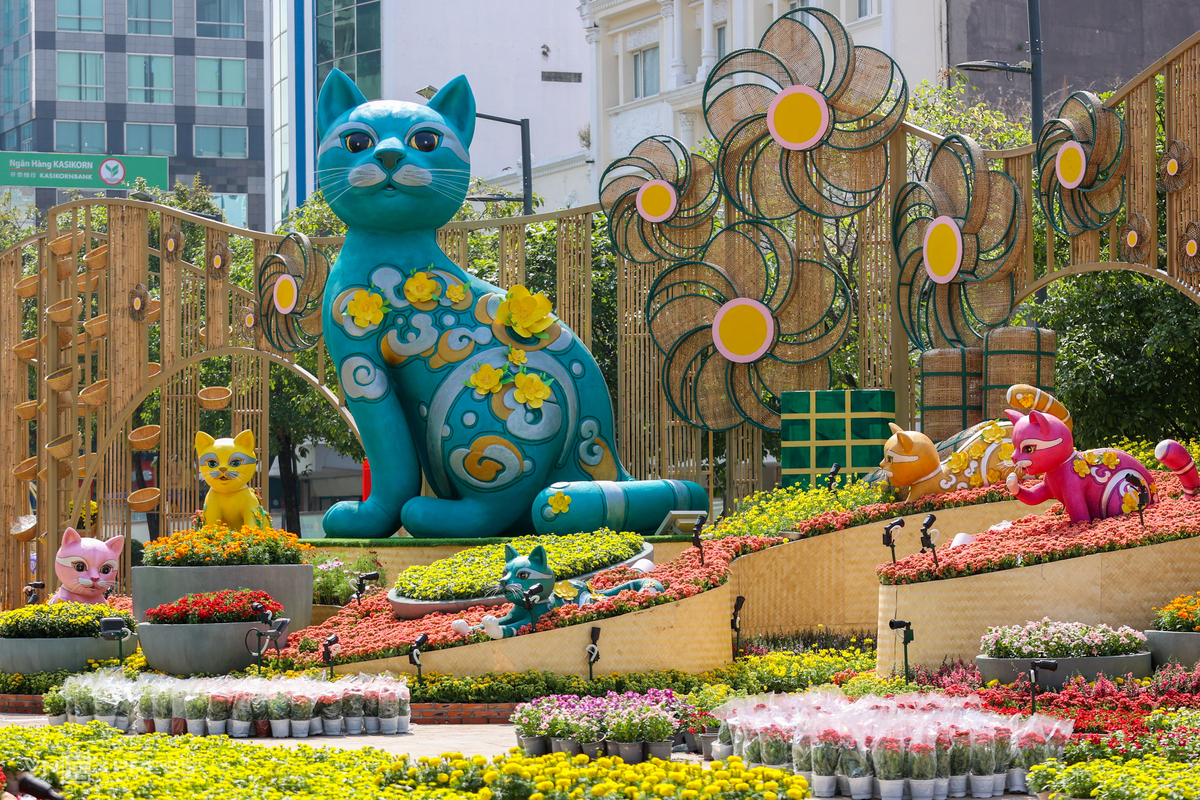
Just fyi, Vietnam is celebrating the year of the cat! And I’m tempted, so tempted to post felines. All year. Nothing but cat videos in 2023.
morning tea

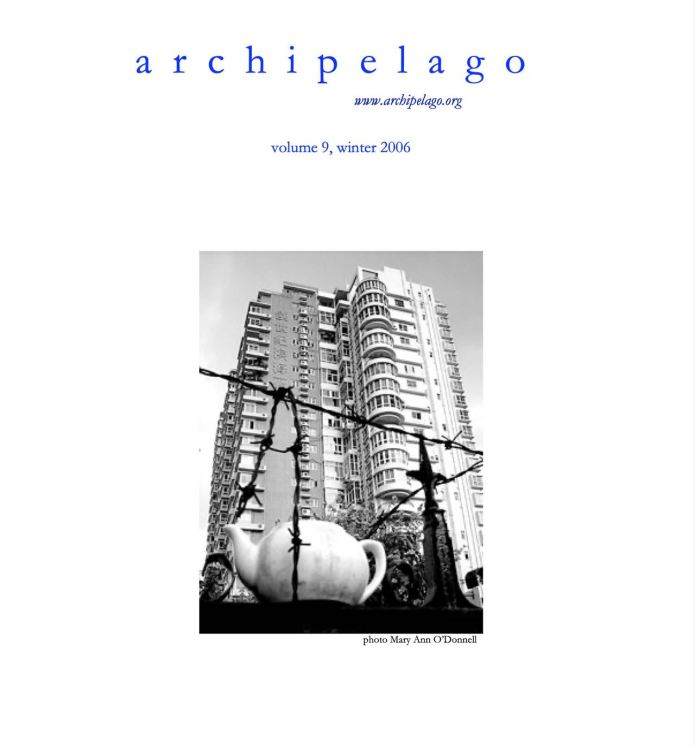
So, “Morning Tea,” a 15-year old blast from the past: a creative non-fiction piece that I wrote about Shenzhen in 2006. The essay includes photos of lost objects that I used to take on my walks–in the 00s the inner districts were still under construction and I was constantly stumbling on discarded stuff. Indeed, the earliest incarnation of the blog began with photographs from this walks (those early galleries are still up on livejournal). “Morning Tea” was published in archipelago (vol 9, winter 2006), an online journal that seems to have been around for 10 years…

a baishizhou postscript–chen chusheng

Several years before he was champion of the inaugural and influential singing competition 快乐男声 (on Hunan TV), Chen Chusheng 陈楚生 lived in Tangtou, Baishizhou. Indeed, the first stop on his musical career seems to have been Shenzhen, which in the late 1990s, early 2000s was famous for its indie and rock music scene. The musicians lived in urban villages and performed in the city’s many bars and infamous nightclubs.

The above image Shenzhen (2000) by Yu Haibo 余海波 not only gives a sense of what the city’s nightlife was like at the turn of the millennium, but also the frantic energy that characterized that scene. Of course, Chen Chusheng took a more laidback and folksy approach. His song, Baishizhou sounds almost pastoral, in stark contrast to the world outside his Tangtou apartment. And yes, circa 2000, Baishizhou was not yet linked to the urban grid and Shenzhen was still the world’s factory, relying on the highly transient residents of the villages.

Continue reading

processing shajing oysters, the postcard edition

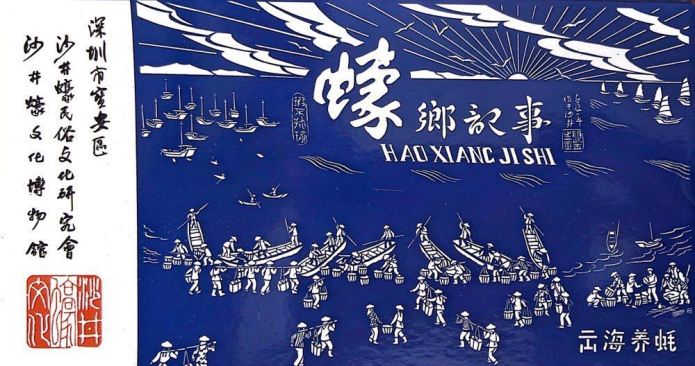
One of the purposes of this blog has been to document changes in Shenzhen’s cultural geography. A second purpose has been to observe changes in what is represented and how the representation aesthetic have also shifted. Sometimes it’s like we’re not seeing and talking about the same city. Postcards from a long-ago Shajing oyster culture museum give a sense of those discrepancies–what was thought valuable and who was able to transform cultural geography into what kind of story.

Continue reading

baishizhou village: a return of the repressed-what’s in a name mash-up

Most are aware that the area we once knew as “Baishizhou” was located north of Shennan Road, comprising four villages–Shangbaishi, Xiabaishi, Tangtou and Xintang. The neighborhood’s name derived from the “Baishizhou” subway station. In turn, the station was named for the historical Baishizhou, a mudflat or sandbank, which was located south of Shennan Road. Historically, our Baishizhou was a continuation of historic settlement patterns, while Baishizhou Village seems to have emerged more recently. Nevertheless, the demolition of our Baishizhou has led to the emergence of a new Baishizhou and this new Baishizhou has a telling (and frankly distressing) general layout. Below, I give a brief overview of the layout and then a brief history of the place name, Baishizhou. And yes, its more speculative than conclusive. Reader be warned.

Continue reading

baishizhou, January 2023

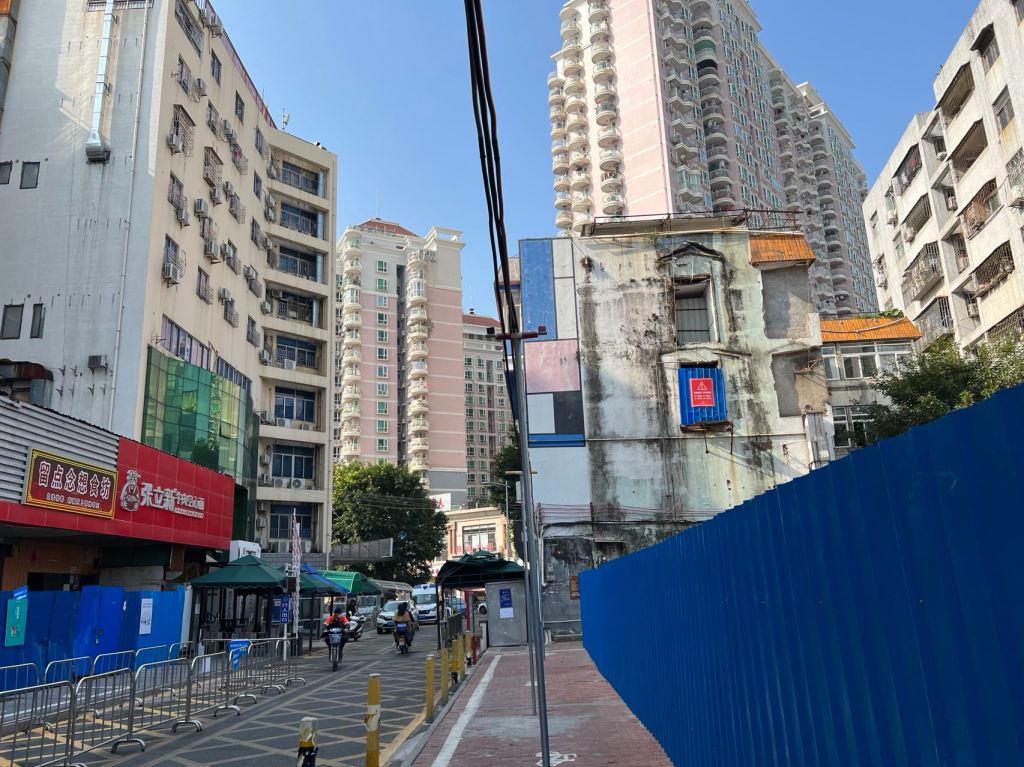
Photos from Baishizhou, Dec 31, 2023. Three notes: 1, the Baishizhou mural has been replaced with a Shahe mural, suggesting that the area’s rebranding is proceeding apace; 2, the covid regulation infrastructure was solid and expensive, even though the area was already being demolished, and; 3, there are still holdouts in the village, most closer to Shennan Road, however, the center area near Jiangnan Department store, where 302 used to be is difficult to reach because mostly razed and inside the current construction site.

Impressions of the walk, below.