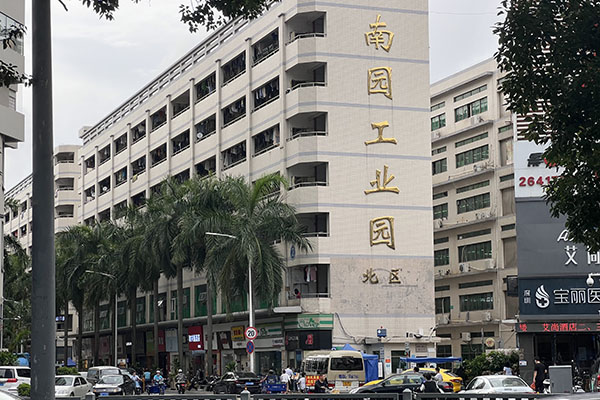
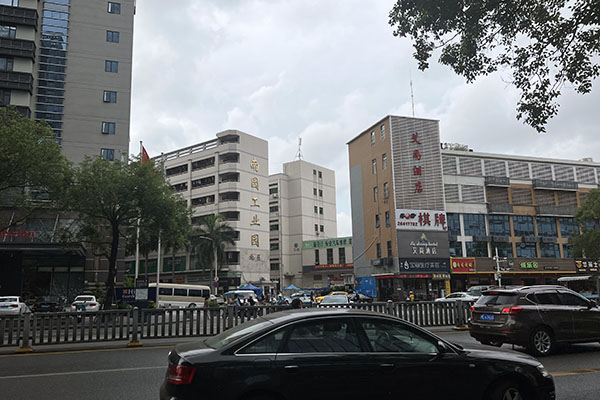
what’s the difference between a typhoon and reform and opening up?

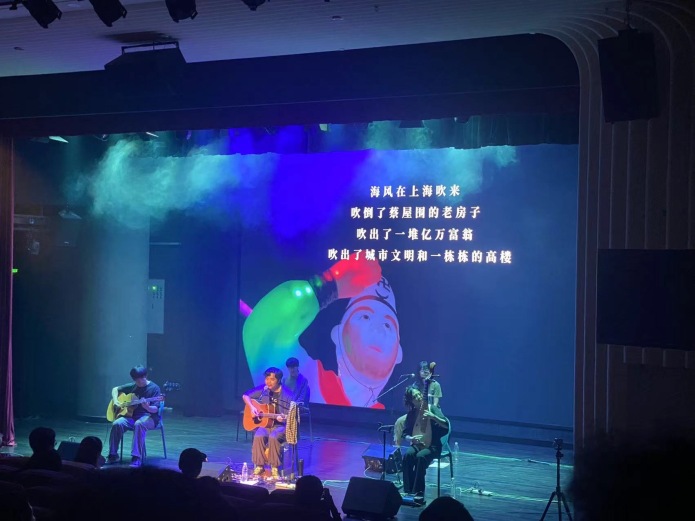
And this is not the opening to a joke, but a loose interpretation of a stanza from a new song celebrating the Shenzhen story. The stanza is:

海风在上海吹来;吹倒了蔡屋围的老房子;吹出了一堆亿万富翁;吹出了城市文明和一栋栋的高楼, which translates as: the sea breeze blew in across the seas; blew down the old houses of Caiwuwei; blew a pile of millionaires into existence; blew urban civilization and rows of high-rises into existence.

Continue reading

调休: timely thoughts

When Dragon Boat Festival approaches, my thoughts usually turn to zongzi and all the delicious fillings. However, this year they have unexpectedly turned to how the Chinese state controls both the distribution of land (space) and time. Usually, I spend my time thinking about hukou and land ownership. However, it suddenly occurred to me that something similar happens with the organization of work and rest times. The prompt — how much I dislike “调休 tiao xiu” or “adjust rest time.” In practice, tiao xiu means rearranging work schedules to create a five- or seven-day stretch of time off for consumption. The catch? There may only be one actual vacation day. The other days are made are made up by working on Saturday, creating 6-day work weeks.

Anyway, I haven’t worked out all theoretical details. But. When thought about in conjunction with Beijing Standard Time, tiao xiu suggests the extent to which the state shapes everyday life in China. In turn, this highlights the fact that everywhere space and time are human constructs with contested origins and purpose (Thanksgiving vacation, for example).

embodied time

How does one count time in Shenzhen? There are five-year plans and there are different eras: the Special Zone and Shenzhen 2.0, for example, are phrases which circulate in conversations about urban planning. The also seems to be a folk calendar that counts political eras as embodied by religious figures.

Continue reading

are you part of the “herd” or are you a party cadre of exemplary character?

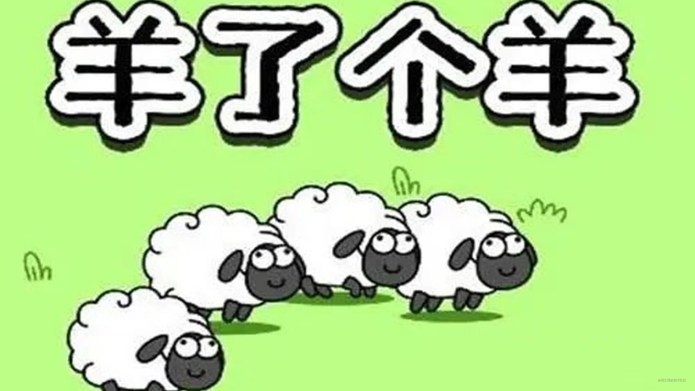
Many of the people around me have tested positive for omicron. In Chinese, the word for positive is 阳性 (yáng xìng), and the pun is with 羊 (yáng) or “lamb.” In keeping with the animated pandemic, this means that most memes involve 🐑 puns. During the lockdowns, one of the most popular phone games was 羊了个羊, a game that can be played on WeChat. The game is similar to a 3-tile puzzle and indeed, some say its a rip off of the original Three Tiles. At any rate, tens of millions have played, posted about playing, and analyzed the play while locked down. Now, that people actually have joined the omicron herd, there is more talk about how to convalesce and take care of oneself. And there’s the rub: party members are being asked to put their bodies on the line. Below, I’ve translated a recent article from the headline news app (今日头条). The gist: a true Party member puts their body on the line for the good of the masses:

Continue reading

of guessing games and scapegoats

So what’s happening at the top? Inquiring minds want to know.

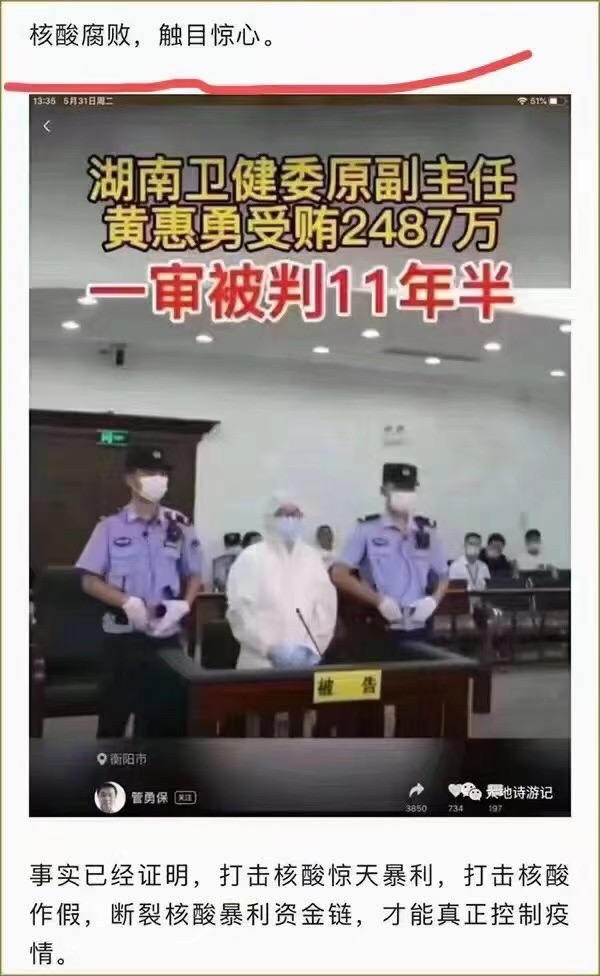
First, I come across this image of the Hunan Health Commission Vice Director Huang Huiyong being convicted of accepting 24.87 million yuan in bribes and kickbacks in corona testing. And yes, I too am wondering about the optics of wearing a Big White suit to the sentencing when no one else is dressed up to conduct a building sweep or poke throats. The image implies that the Big Whites, their ops and their actions are under the supervision of the CCP. Those pesky and anonymous Big Whites are responsible for the crazy and THEY will be held accountable for social disruption. Because they independently enforced extreme testing? Kind of like Shanghai wasn’t officially re-opened…hmmmmm.

Continue reading

从天命观看疫情:is talking about the mandate of heaven superstitious?

A speculative what if: what if the Covid had happened during the late Qing? Would there have been discussions about loosing the will of heaven? Would we be having more serious conversations about ecological responsibility? And would we maybe understand all this Covid testing and infrastructure as some kind of attempt to suppress the expression of heaven’s mandate?

I know, kind of conspiracy theory-esque. But. Also, kind of sci-fi in the speculative way of questions such as: “how does science and technology reshape political ecologies within and against historical cultures?” Indeed, the ongoing management of the pandemic after pandemic’s end has my mind following Sun Wukong into imaginative black holes that aren’t explicitly Euro-North American, but rather all about the mandate of heaven 天命.

Continue reading

90s nostalgia

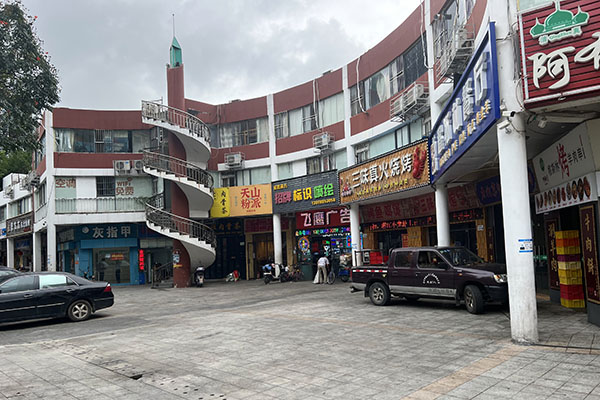
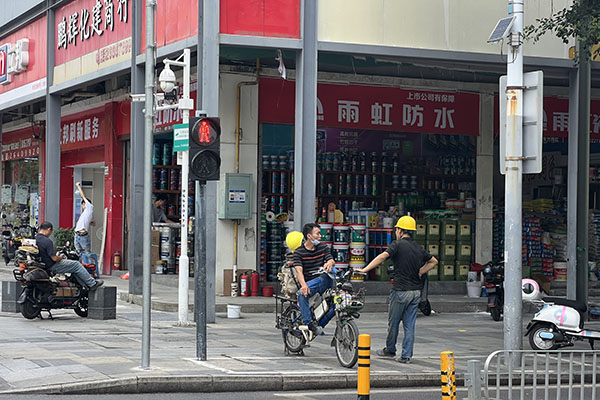
I walked Nanshan Road, from Daxin to the Shekou suburbs via one or two side roads. Below, impressions of “Old Nanshan,” which was built during the late 80s and early 90s, now appears highly nostalgic–the narrow roads, the shade trees, and mom and pop shops.

rumor has it… the government had a hell of a night on the town

It’s true, unlike the 2020 lockdown when the government subsidized the lockdown, during the 2022 lockdowns in Shanghai and elsewhere (Shenzhen, for example) the actual costs of game of germs are being passed on to ordinary citizens and entrepreneurs. Owners of cars that were parked in commercial lots, for example, are being held responsible for fees accrued during the lockdown, fees which be over 3,000 rmb. Indeed, one of the jokes currently circulating describes post-lockdown accounting for mass testing as a case of different government bureaus passing the buck:

[The government went out for a night on the town.] The medical insurance department believed that the finance bureau would pick up the tab, while the financial bureau assumed that the medical insurance department would foot the bill. The two sat down for dinner, ordering wine, dishes and escorts. They uncorked bottles of foreign spirits, sang karaoke, had massages and paid for sex. Indeed, they ordered everything on the menu. When it came time to settle the account, however, the finance bureau slipped out the door and the medical insurance department pretended to be drunk. And this is how the absurdity ended. 医保以为财政请客,财政以为医保请客,二人落座后加酒加菜要三陪,开洋酒、点歌、按摩、打炮......所有的项目都点了,拿出店家账单找人结账的时候,财政要遛,医保装醉,荒唐的一幕就这样结束了。
the people’s education textbook incident

So, on Friday, May 27, the People’s Education Edition of forth grade textbooks set the internet ablaze. Seriously, despite everything else that was going on in the country–bank failures and Covid-crazy, rumors of upper level infighting and a tanking economy–the entire country was united in outrage over textbook illustrations. And frankly, the disgust is understandable. It’s as if some cynical artist whose work deconstructs authoritarian childhood was asked to draw the illustrations for books aimed at ten-year olds. There’s a whole level of critique going on that may not be accessible to children, even as their parents moan about aesthetic standards. “Ugly, ugly, ugly,” the crowd screams. And from where I sit that seems to be the point of the images. Just not the place? Or audience?

Continue reading

shameful dis-ease: over the counter cold meds and covid

Body shaming and its ills are familiar: eating disorders in the pursuit of an ideal body-type; feelings of inadequacy and low self esteem caused by fat-phobic, misogynistic, racist and anti-trans bullying; and the intense pain and despair that come from being isolated from those around us simply because of who we are. Indeed, shame is an important component of social control precisely because it shifts responsibility for indifferent and cruel treatment of others from the shamer to the shamed. The logic is insidious, direct and more often than not internalized before we finish elementary school: I am treated like shit because this body is fat/ ugly/ female/ trans/ black/ old…

Recently, I’ve realized that mandatory covid testing manipulates body shame to achieve political and social goals. It has also changed previous expressions of care for family and friends.

Inquiring minds want to know: How does zero-covid play upon extant forms of body shame in Shenzhen? Well, if you lived through the US AIDS epidemic in the 1980s and 1990s, you have (because you read Susan Sontag) a pretty good understanding of how illness and shame work to prevent the ill from receiving necessary care, while allowing the healthy and the powerful to justify their indifference to the pain of others. Below, I track how regulation of over the counter cold medicines is part of a bio-governance regime that has made it shameful to catch a cold.

Continue reading