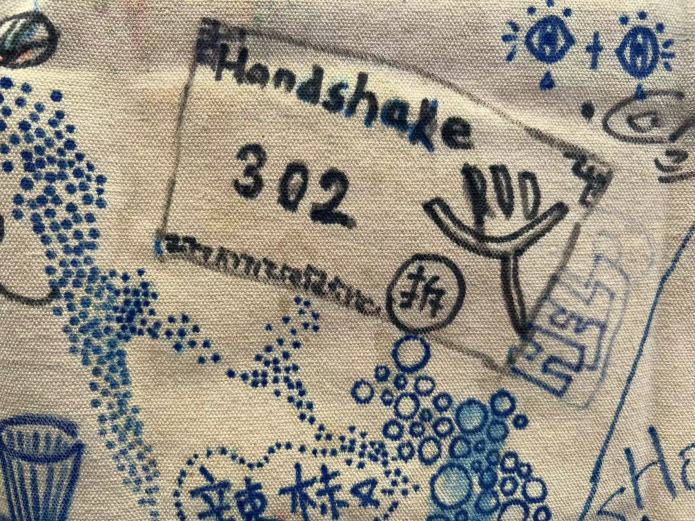
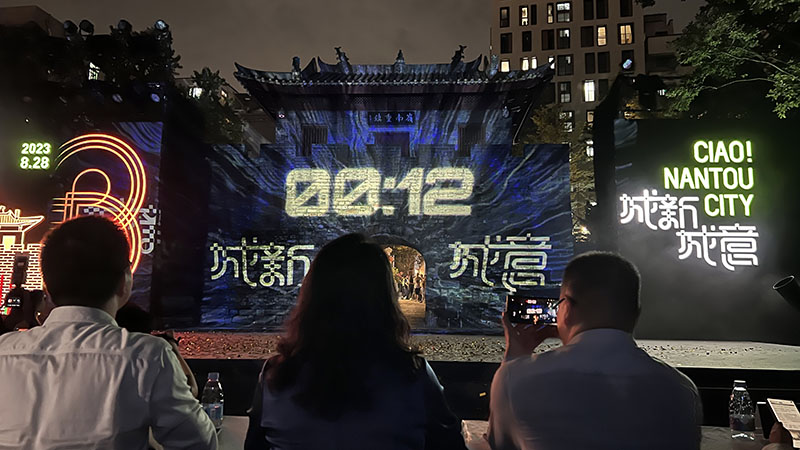
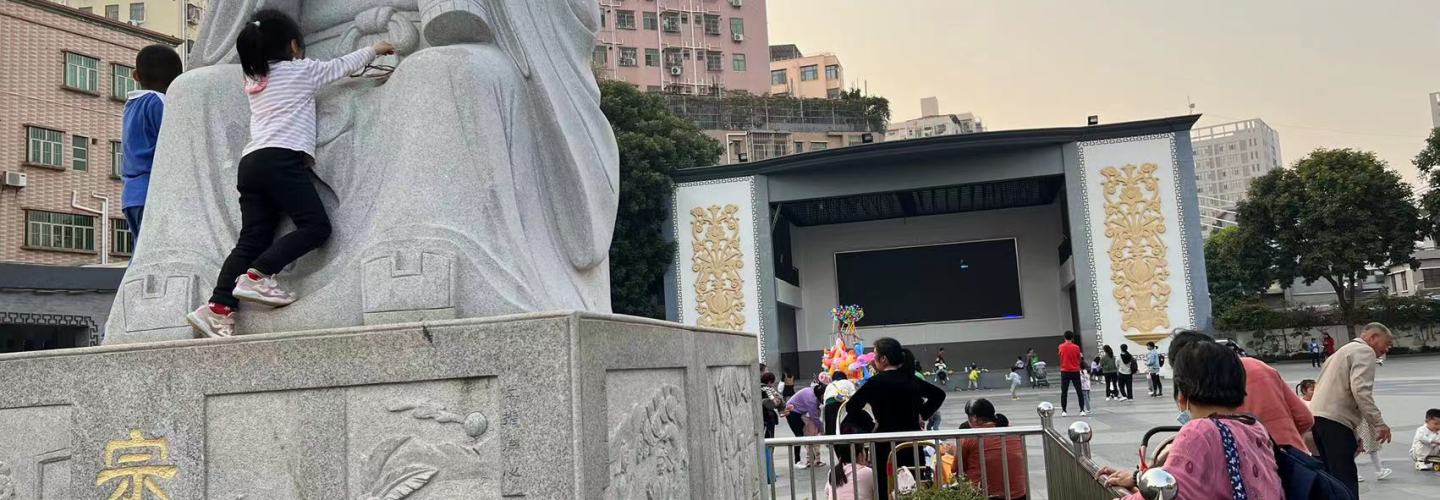
I wrote an article about the awkwardness of Handshake 302’s Baishizhou praxis. It came out in 碧山 14, January 2024.



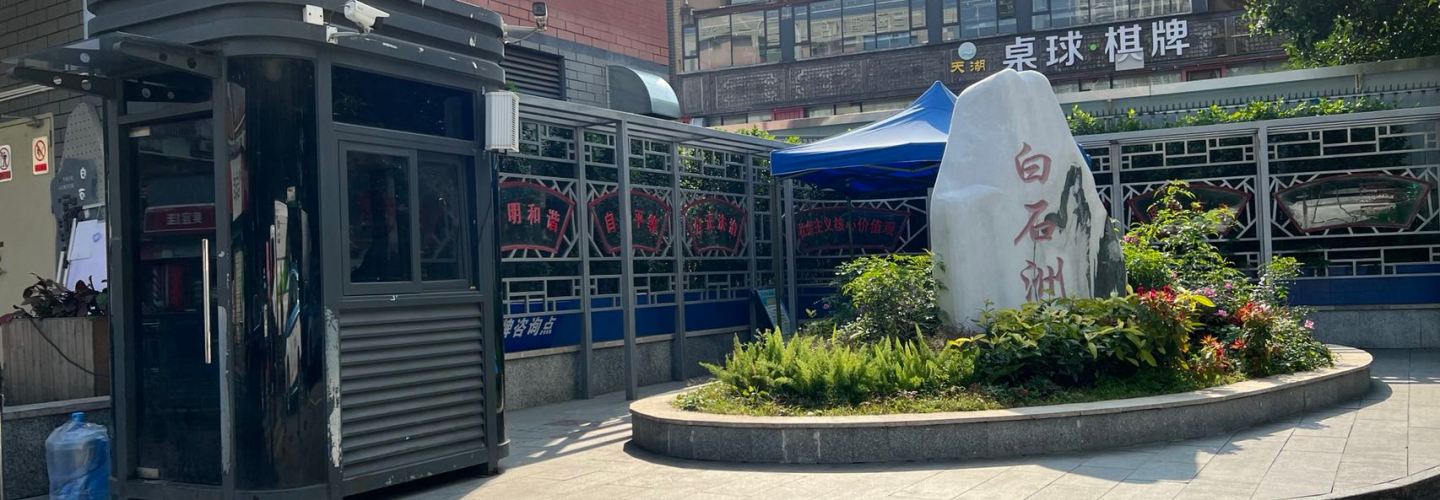

I wrote an article about the awkwardness of Handshake 302’s Baishizhou praxis. It came out in 碧山 14, January 2024.

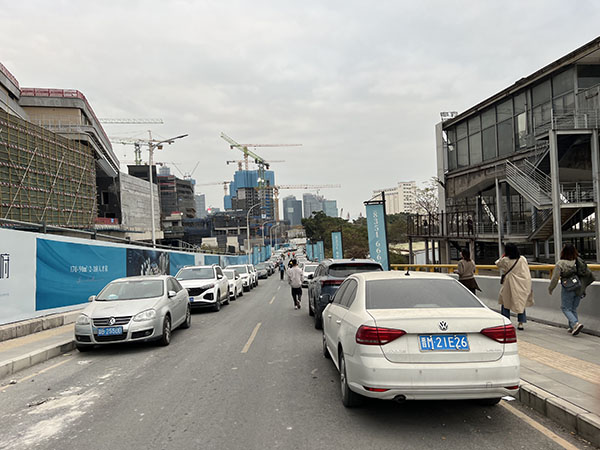
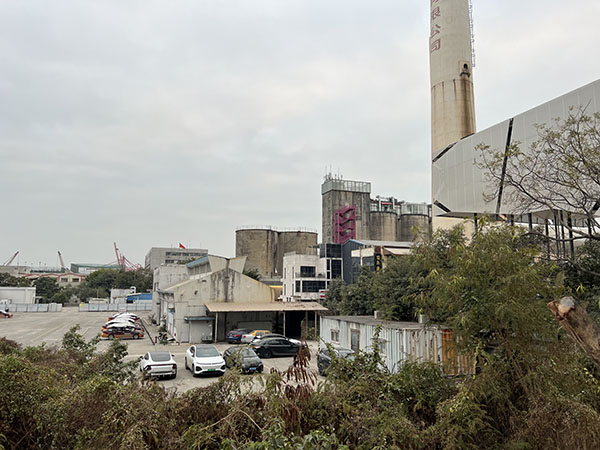
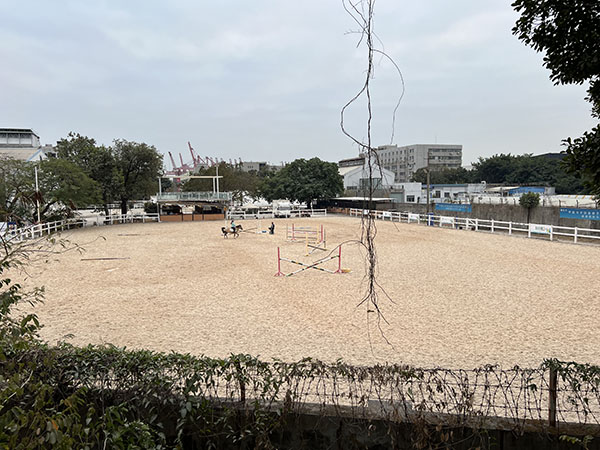
You may remember the 2013 UABB the Value Factory, which aimed to place Shekou once again at the heart of Shenzhen culture. Well, today I went back, and its all real estate, complete with a horse-riding practice area. So, first post of 2024 is just a note that changes changes and more. Changes.


Before Shijie and Dafu opened their restaurant, 「主局·韩式炸猪蹄」, they had decided not to offer takeout service. Many of their friends have told them, “if you don’t provide take out service from your restaurant, you’ll never survive in Shenzhen.” Handshake 302 was curious to hear their story and to understand the reasons behind their decision. We also wondered, “how important is takeout to an individual restaurant owner? Can a restaurant survive without offering takeout service?” Consequently, we invited them to be the special guests of the third edition of Singleton Takeout. Frankly speaking, we learned a lot from their honest thoughts about their new endeavor.


Its official: Liu He has made take-out ordering skills. On Saturday, September 23, he ordered a rich and satisfying meal for participants in the second edition of “Singleton Take-out.” What’s more, the selection of Chinese and western foods came with different condiments, meaning that during the handicraft part of the event, there were many different kinds of packaging to use.
Continue reading
The Shenzhen-Hong Kong border at Luohu manifests the contradictions and aspirations of integrating the two cities. On the one hand, the border has been solidified with concrete and barbed wire, while on the other, the border is presented as an easily accessible gateway to a modern shopping experience. Indeed, the concrete and barbed wire fence that lies parallel to the border is located directly behind Luohu Plaza, as seen in the pictures below.


Handshake 302’s latest project, “Singleton Take-out” is now under way. Over the course of five weekends, we’re hosting a series of lunches where Handshake 302 and our guests discuss how take-out has changed and informs everyday life in Shenzhen, especially its urban villages. Our first guest was Li Liao 李燎, whose project Labor was first up at the Pingshan Art Museum. Below is an outtake from our lunch on September 16 (in Mandarin). If you’re interested in joining us, subscribe to our We Chat account and sign up!


Shajing is a large subdistrict in northern Bao’an. Until the road system took shape and the second line ceased to operate as a strict boundary (both circa 2003-4), most locals went to Changping, a market town in southern Dongguan when they wanted to purchase or enjoy those things that were only available in a town. Historical Shajing comprises three main areas: the oyster settlements, Bogang, and Wanfeng. Indeed, one of the pleasures of visiting a Shajing neighborhood is not only its architectural and cultural diversity, but also the reminder: Shenzhen has only become important recently. Historically, the largest settlements were located along the northwestern coastline in the Fuyong-Shajing plain.
Continue reading
How does one count time in Shenzhen? There are five-year plans and there are different eras: the Special Zone and Shenzhen 2.0, for example, are phrases which circulate in conversations about urban planning. The also seems to be a folk calendar that counts political eras as embodied by religious figures.
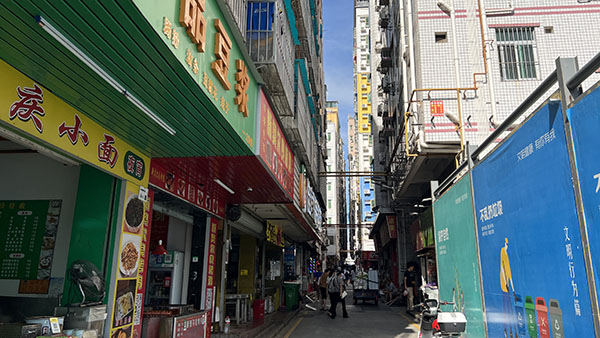
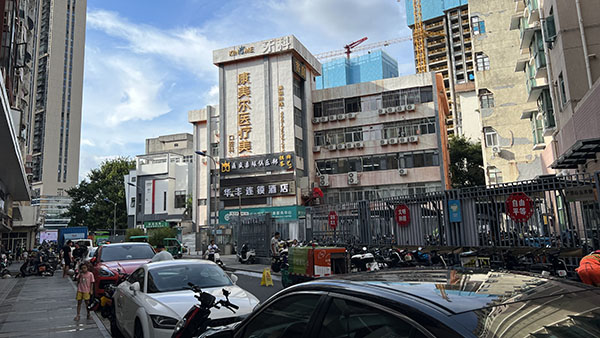
Continue readingThe walk from Chegongmiao to Xinzhou used to be a walk from the factories to Xiasha and Shangsha, urban villages where workers and their families lived. Then there were upgrades and a spurt of entrepreneurial redevelopment. However, this area was zoned for redevelopment before the 2018 decision to halt the demolition and redevelopment of working class neighborhoods. Consequently, during the COVID years, demolition and redevelopment proceeded, blurring the borders between high- and low-income Futian. Nevertheless, a few jagged edges remain, below:





 Shenzhen Noted