mega-thinking at MoMA

Yesterday at MoMA I saw an exhibition curated by the Network Architecture Lab, Uneven Growth: Tactical Urbanisms For Expanding Mega-Cities. The exhibition struck me as very house of representatives with archi-biennale characteristics; the curators chose a representative city from each continent and then presented these cities through blow-up charts and video. Thus: NYC represented North America; Rio represent South America; Istanbul represented Europe; Lagos represented Africa; Hong Kong represented East Asia, and; Mumbai represented the Indian subcontinent. More interestingly, perhaps, the museum layout, especially in context of the third floor’s permanent architecture exhibitions, had me thinking about the looming, unrecognized figure of China and how we need to re-think not only urbanization, but also the critical frameworks in which we think about mega-cities. Continue reading

what is a natural village?

Important footnote or dissertation? Inquiring minds want to know, what is a natural village? Continue reading

seeking alterity

After we left Tantou, we visited several other scenic spots in Kaihua. Beautifully other to Shenzhen’s clogged roads and noisy crowds, these scenes suggested that the gate to an other worldly adventure was just around the bend in the road or nestled snuggly behind a crumbling wall. And yet. Each time we spoke with local residents, they asserted, “There’s nothing here.” In turn, the visitors from Shenzhen responded that this beauty was enough, but the locals remained skeptical; beautiful enough to bring in tourists? Continue reading

ink painted skies

Impressions of the mountain villages in Tantou Village, Kaihua County and the neighboring, Yutianban Village fields.

This slideshow requires JavaScript.

tantou: these are not mcmansions

This past week, I joined members of ATU on a research trip to Kaihua County, Zhejiang. ATU is a Shenzhen-based NGO, and their mission is to bring critical attention to architecture and urban planning practices. Most recently, they have decided to intervene in rural development in order to ameliorate the problems of bringing urban planning and its ideologies into rural areas. Continue reading

guangming office: historic questions of translation

Speakers of North American English such as myself often fall into linguistic rabbit holes when reading official Chinese documents. My confusion arises from what both Western Marxists and Chinese Party members might call “historic questions/ problems of translation (翻译的历史问题)”. Thus, although their are semantic overlaps, a city is not a 城市, an office is not a 办公室, a community is not a 社区, and a collective is not a 集体 because the respective geographies of the USA and PRC have been formed through vastly different cultural ecologies and property regimes. Continue reading

cold war guangming

Today, I am trying to figure how to think about a series of historically discrete events that in retrospect clearly aligned the landscapes of Hanoi, Houston, and Shenzhen. Continue reading

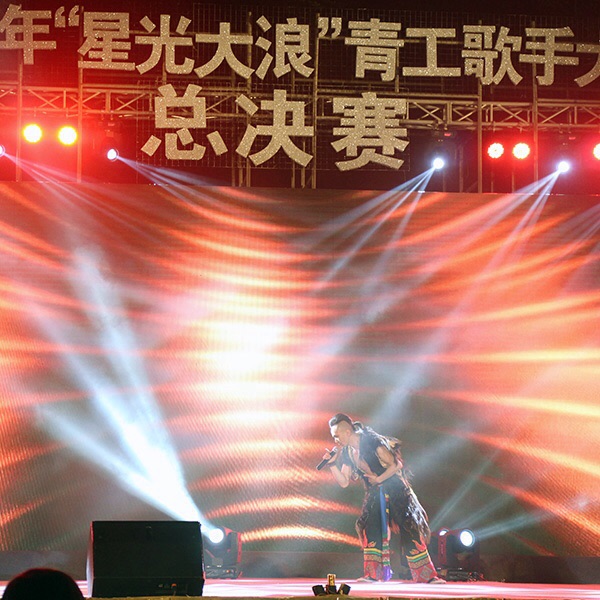
star bright dalang: keeping it real

The Star Bright Dalang Singing Competition Finals took place on January 25, 2015. Despite having been abruptly postponed a week (due to government shuffles), nevertheless the production sparkled. Five LED screens adorned the temporary stage in Workers’ Park, a sixth was set up for simultaneous broadcast, lasers beamed through the nighttime sky, and glow wands had been distributed to audience members seated in the front section. The total audience was estimated to be around 3,000 people who gathered to listen to 13 migrant workers sing popular songs a la Idol. Continue reading

hong kong birds, bees, and the delights of winter sun

On Tuesday morning, good friend Michael took me on a walk through the Hong Kong flower market, bird market and adjacent fish, and insect and reptile markets. Located near the Mong Kok East station, the area’s micro-ecology delights. It also has me thinking Frankenstein thoughts of everything under human dominion. And yes, there are not so hidden nooks for high quality Java and conversation. Impressions, below.

This slideshow requires JavaScript.

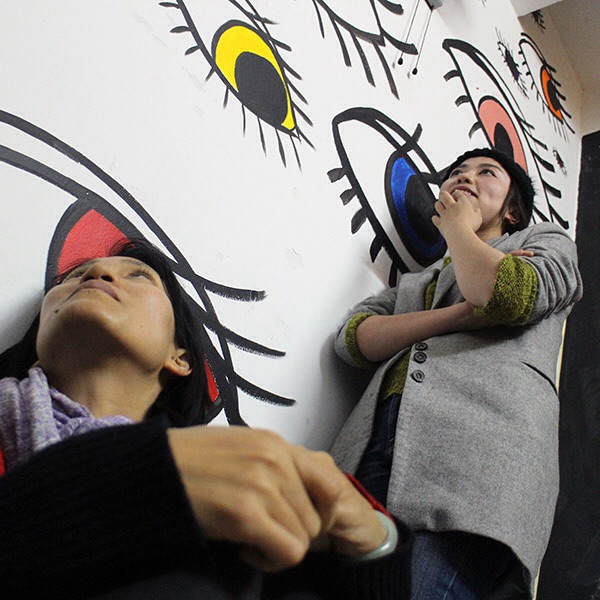
eyes

So yesterday evening at Handshake 302, we held our final independent salon for Zhang Kaiqin’s piece, “eyes”. Six projects now cover the room’s five walls, and so the exhibition “My White Wall Compulsions” is complete. We will be arranging an opening for and viewings of the exhibition over the next few weeks.

Yesterday’s conversation ranged from the meaning of a wall of eyes to the meaning of art, with a few rants along the way. The conversation, however, was respectful and mutually responsive. And this, I think, makes 302 a space of shared happiness. No small accomplishment, our grand ambitions, notwithstanding.

Images from the salon, below:

This slideshow requires JavaScript.