Since the invention of cell phone cameras, most of us take more pictures in a day than we used to in a week or sometimes even a month. We take pictures of ourselves, we take pictures of landscapes, we take pictures of friends, and we take pictures of cats. Many, many pictures of cats. The question, of course, is what are we doing? What desires do these pictures represent? What is the story behind a selfie or the truth capture in a photography of a sleeping kitten? Continue reading →
The next installment in the Myriad Transformations, “City on the Fill” is a series of riffs on land reclamation, both as an important feature of Shenzhen’s cultural ecology and as a metaphor for the replacement of southern Chinese culture with northern norms.
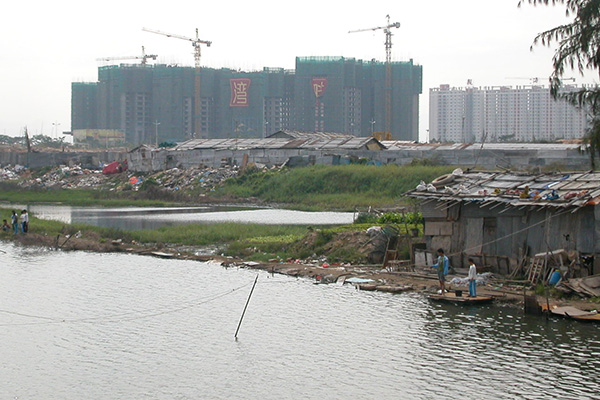
This image of the Shenzhen Bay coastline was taken behind the south gate of Shenzhen University in 2002. Squatters occupied the landfill and planted small vegetable gardens and raised chickens near their houses. Most worked in the informal economy, sorting garbage, working on nearby construction sites, and cultivating the oyster and fish farms that would be shut down in 2006. Today, the water has been reclaimed and is part of the Hi-Tech corridor that connects the Tencent Headquarters to University town via Shenzhen University, branch campuses of Hong Kong universities, and office buildings of Shenzhen and China’s top hi-tech companies. Indeed, this area was the site of the Shenzhen Maker Faire, 2015. The building under construction in the background is the Yangri Wanpan (洋日湾畔)estates, next to the Coastal City Shopping Mall complex. However, what strikes me more than the “that was then feeling” of a landscape transformed is the squatters’ clothing; even in 2002, when Shenzhen was still a manufacturing city, squatters would have difficulty finding jobs in the formal economy where appearance was part of gaining employment.
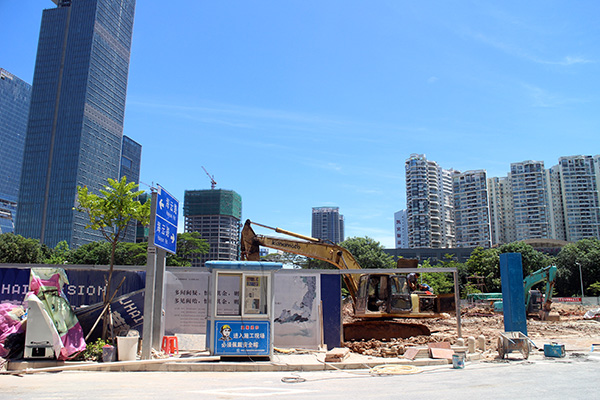
This is the Hi-Tech area, circa 2015. The white buildings in the left of the photograph comprise the Yangri Wanpan housing estates, which were under construction (and considered seafront property) in 2002. In 2015, the Hi-Tech area was the site of the Shenzhen Maker Faire, shown in the Chaihuo clip, below:
So, posting a copy of a speech I gave at the 9th annual Dragon & Eagle Dialogues, which were held at Yucai #4 Elementary School. The Dialogues encourage conversation about important topics and teach students respectful protocols for holding those conversations.
We are Already Interconnected: Some Thoughts on Cultivating an Inclusive Imagination and Practice
Keynote speech for the Dragon & Eagle Dialogues, April 13, 2019Continue reading →
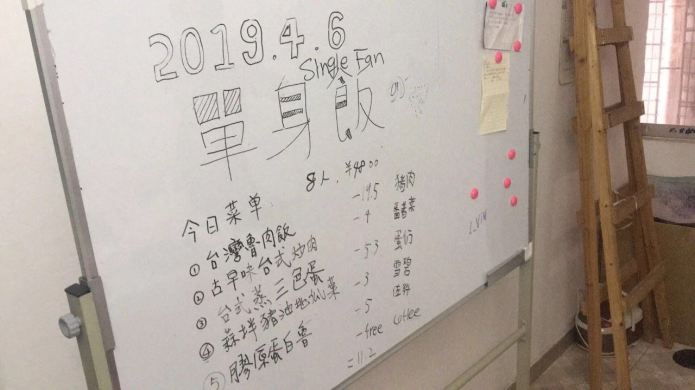
Singleton Lunch is up again! This time we’re scheduling the first Saturday of every month for homemade hometown tastes and conversation. On April 6, Matthew created a Taiwan feast for eight, spending 37 yuan! This time the conversation was about “roaming.” Each of the participants shared stories about the search for freedom, the romance of the road, and the courage to move beyond conventional paths.
Current maps to Huaqiangbei suggest a state-of-the-art maker experience. High tech and high concept, these representations would have you forget how ordinary, how banal globalization actually is. The stuff of everyday life.
On March 29, Chengdu artist CHEN Weicai held his final salon at Handshake 302, showing us the work he created while in Baishizhou. He focused on two questions–materiality and rules of engagement. The results were inspiring. Here are a few of the pieces he created in and out of Baishizhou’s material substrate.
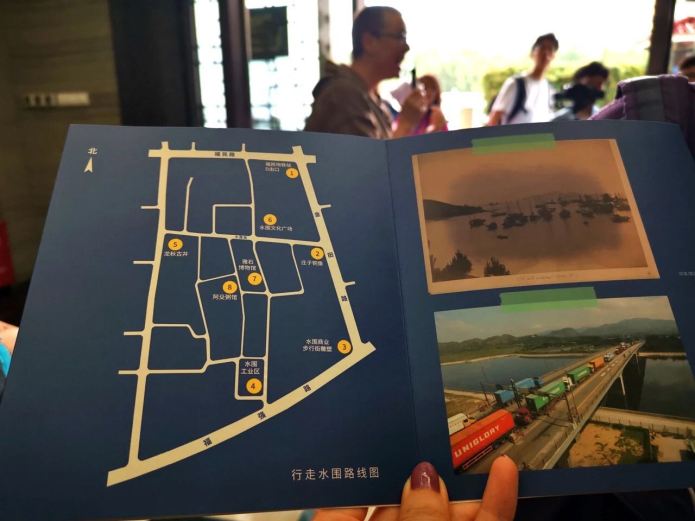
On March 23 and March 24, Handshake 302 brought the “Urban Flesh and Bones: Futian Edition” project to Shuiwei—one of our favorite urban villages. The Saturday tour was in Chinese and the Sunday tour was in English, but both tours were fully booked and even though the weather was overcast, everyone showed up. In fact, on Saturday afternoon, Handshake 302 led the tour in the rain!
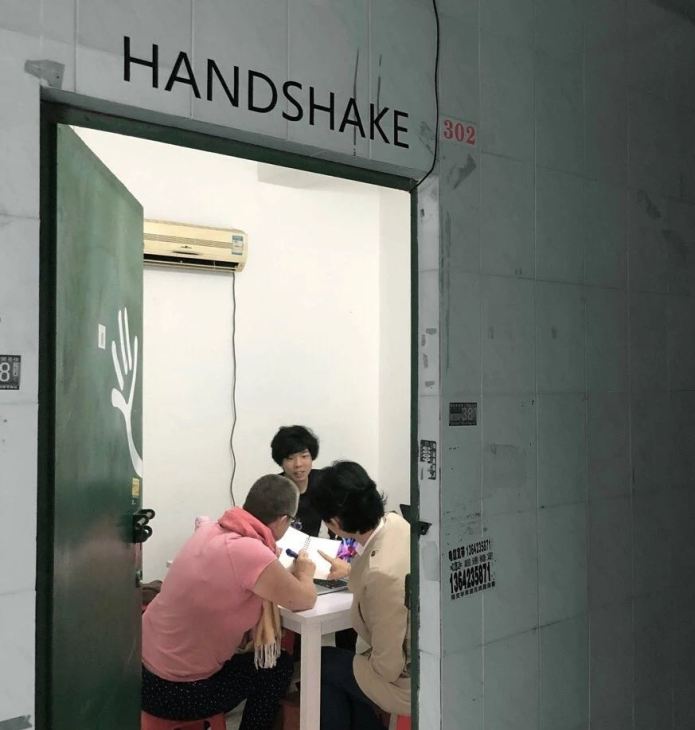
This year we’ve started holding regular open houses at Handshake. Join us any Wednesday afternoon from 3 pm to 6. One or two of us will be there to chat and introduce our project and learn about yours.
“Cut and Pastiche” has played with the logic of montage in order to tease out the experiences and logics that comprised the Special Zone. Montage helps us understand the process because “Shenzhen” comprises diverse elements–factories and work units, migrants and locals, tradition and IT, brackish water and containers–which were already in the world, but needed to be reorganized in order for China to achieve its goal to modernize. Quickly.





 Shenzhen Noted