Red tourism is a thing in China, especially visiting revolutionary sites — Yan’an’s 400+ sites (which have been ranked); Shanghai’s revolutionary heritage, and; Beijing’s Red Trail. These pilgrimages tend to be excruciatingly pedagogical, but also fun because they usually mean a day off work or school to hang with friends and eat snacks. The ideological point of these tours lies in how before and after experiences structure moral sentiment. The meaning of these tours are more complicated that Mao was there and so was I! Instead, the expected experience includes visceral gratitude: When the elders 前辈 were here, life was hard. I am here, enjoying this (implied easier and better) life because they suffered.
So what does red tourism in Shenzhen look like? It means exploring the sites that Deng Xiaoping visited in 1984 and especially in 1992. And yes, this is more or less the same trek that Xi Jinping made in 2012 during his first tour outside Beijing after becoming General Secretary. Let’s make the trip!
2024 was the 120th anniversary of Deng Xiaoping’s birth which prompted a flurry of articles exhorting Shenzheners to enjoy their free time learning exploring the city’s special relationship with the architect of China’s Reform and Opening Up policy. The 深圳门户 section of 读特 news posted a useful article that includes key places where Shenzhen formally emphasizes its relationship with Deng. Below, I’ve followed their lead, inserting pictures that put the site in context. The post ends with six sites that I would recommend visiting in order to contextualize your Deng-inspired tour. Formal and informal Shenzhen can only be understood together, even if official stories would have us believe that informal Shenzhen was the past and formal Shenzhen is the only way forward. Do you feel the love?
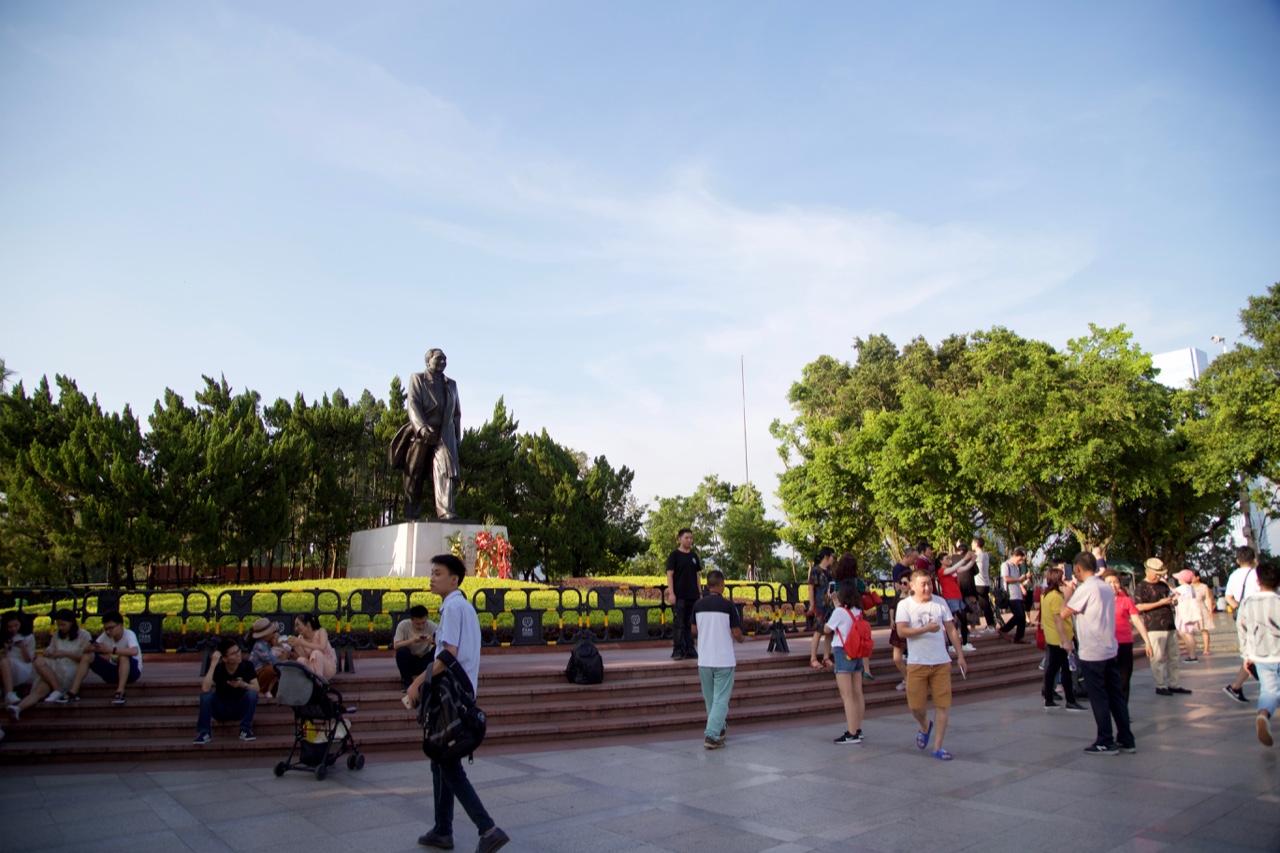
The Deng Xiaoping statue in Lianhuashan Park 莲花山公园:

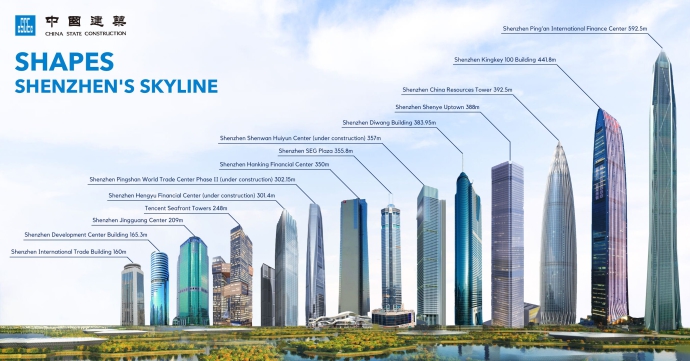
The Guomao Building 国贸大厦:

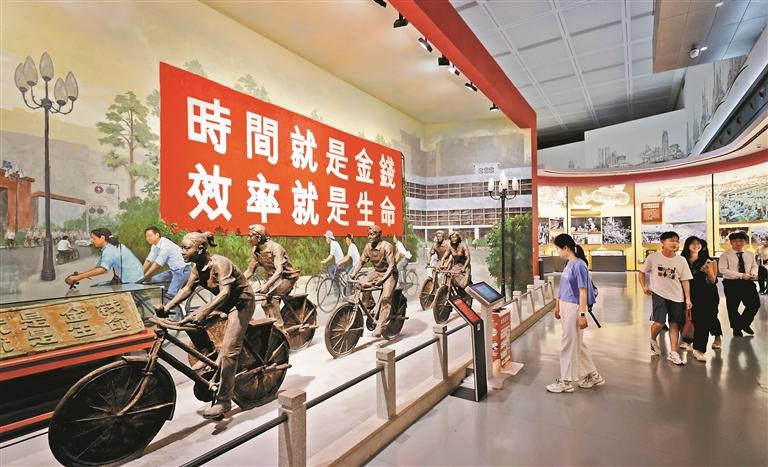
The Shenzhen Reform and Opening Up Exhibition Hall 深圳改革开放展览馆:
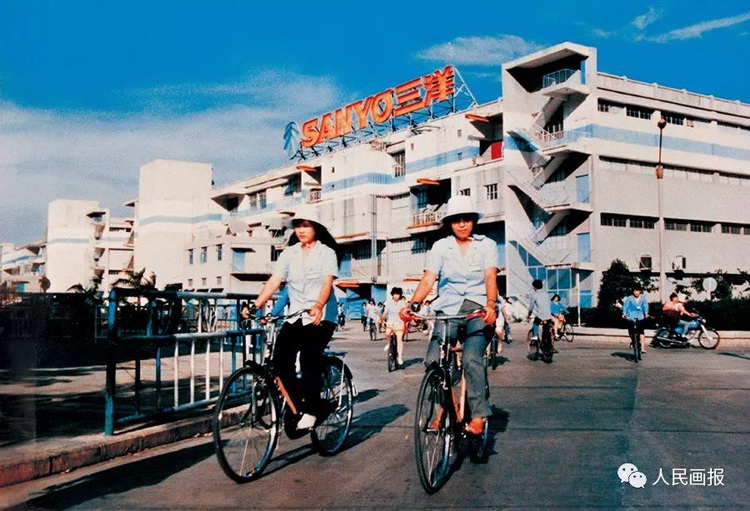
Splendid China in Overseas Chinese Town 锦绣中华民俗村:

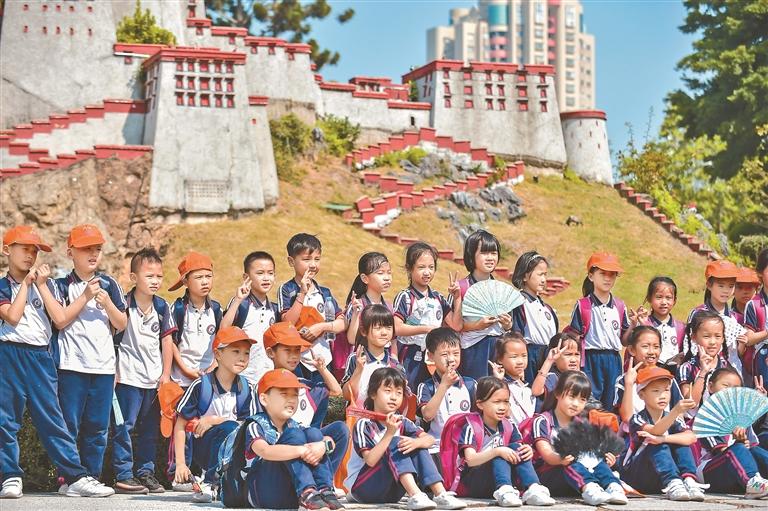
Sea World in Shekou 蛇口海上世界:


And, of course, Fishing Village in Caiwuwei, Luohu 罗湖蔡屋围渔民村:


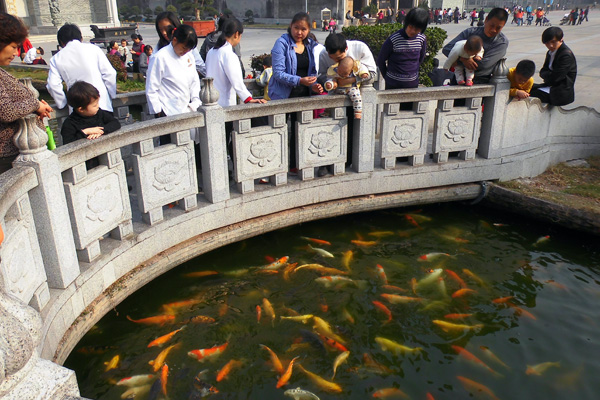
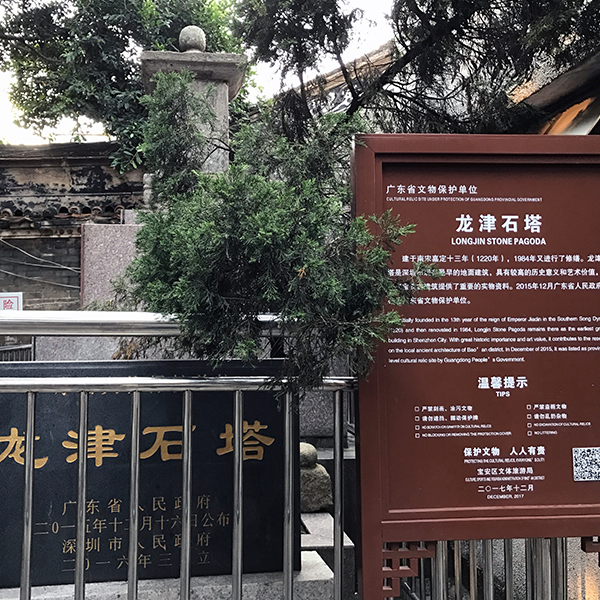
To get a sense of how informal Shenzhen emerged within and against the tides of policy, you could also visit Dongmen (especially the Hubei Ancient Village Section), old Buji, old Futian (and visit China’s first Walmart), and a few urban villages — Huangbeiling, Xiasha, or even Shajing if you have the time.


Enjoy the walk.
 Shenzhen Noted
Great post on red tourism in China! It’s fascinating to see how these tours blend education with leisure, highlighting the historical significance of revolutionary sites. I’m curious, how does red tourism in Shenzhen differentiate itself from other cities in terms of showcasing Deng Xiaoping’s legacy?
Hi motiv8n, great question! I’m thinking the main difference between red tourism in Shenzhen and elsewhere is that Shenzhen sees Deng Xiaoping as its “master architect.” So red tourism in Shenzhen is about how Maoism was overturned. In contrast, for other cities, red tourism tends to be about Mao and the gang, especially the early years of the CCP. Thus about the establishment of the country. We’re chapter 2?!
Thank you for answering my question so concisely.