the urban village in these covid times

It’s hard to know what’s happening in Shangsha, but stories are flying, people are being admonished not to spread rumors, and weibo accounts are being closed. This morning, Shangsha residents who had been locked in their buildings to prevent illegal exits and entries during quarantine were posting to Weibo, Douyin (Chinese Tik Tok), and We Chat, that their food wasn’t being delivered. They also claimed that people living in next door Xiasha were getting fat, eating five times a day (three meals, afternoon tea, and a late-night snack). The focus of ire for one building was their “nexus person (网格员)” who was responsible for food deliveries. Nexus persons are volunteers, who are navigate between administrative levels. Their job is to make sure that food and supplies delivered to a community are brought to the doors of the quarantined. However, this particular nexus person posted statements to the effect he couldn’t make deliveries because the people in charge wouldn’t let him do his job, despite tears and reminders of the people’s well-being. Then, abruptly, he posted he was quitting.

Continue reading

signs of conflicted times

Borders are breached, daily. Breached despite guards, despite fences, despite and through raging anger, which accumulates like garbage, no longer hidden from sight. Stupid plastic bottles, we scream, 打!As if the bottle we threw away yesterday was the cause of our suffering.

Anyway, images from a Shenzhen, where some imagine themselves as under siege, and others find themselves working even harder (yes, the city is involuted) to keep the boat steady.

Continue reading

where’s your battle?

The 2022 Beijing Winter Olympics have come and gone with neither a bang, nor even a whisper. Whatever officials hoped to gain from the spectacle of Chinese athletes winning gold on snow and ice didn’t manifest. Even in my more nationalistic we chat groups, I saw few posts about the Olympics even during the games, and now that they’re over, no one has mentioned them. Instead, three topics obsess people across my we chat groups–the upsurge of Covid in Shenzhen, the Xuzhou mother, and the Russian invasion of the Ukraine. Moreover, as the above cartoon illustrates, how these issues are stitched together reveals social fault lines.

Continue reading

“war time” situation

The image reads: The humble wishes of Shenzheners, be able to leave their offices, be able to go home, sleep through sunrise without being woken up by megaphones. It’s true, as omicron has spread throughout Shenzhen, the city has entered what has been called in groups as a “war time situation.” Where it is required to be tested four times over four consecutive days. If a case is discovered the building is closed with people in it (can’t leave their office), the residential area is closed (can’t return home), and larger areas, depending on the routes they have taken over the course of their infection, are also closed. And yes, they have woken people up in the middle of the night and herded them outside for compulsory testing. The shut downs in Futian have made people especially nervous and some report going to buy vegetables, but the stores are empty.

Today, I’m wondering about the relationship between Russia’s invasion of Ukraine and the abrupt turn to “war time” metaphors in Shenzhen. I’m not yet sure how to think about this juxtaposition, but I can’t be the only one wondering, who does this militaristic rhetoric serve and toward what ends? Is it to take our minds off the upcoming Two Meetings? Is it to get us used to talking about war time necessities? Is it to distract us from Xuzhou? Is it to deepen levels of control and surveillance in Shenzhen? All of the above? I’ll let you know my thoughts when I have some…

cross-border covid

From February 4 to yesterday, February 23, 2022, 147 cross-border truck drivers have tested positive Covid-19. Cross-border truck drivers are key links both to maintaining Hong Kong’s fresh food supply and to exporting products from the PRD to the rest of the world via the port of Hong Kong. This means that the pandemic has not only made visible just how fragile the membrane between Mainland health (on the one side of the border) and Hong Kong nutrition (on the other side) is, but also how modern systems rely on the human body to function.

The cross-border delivery chain is managed by geographic section, rather than by truck. When a truck hauling a cross-border delivery arrives at a designated transfer site, a cross-border driver takes the wheel and the other driver is deployed to another pick-up. As most deliveries are from the mainland to Hong Kong, many of the drivers are based in Shenzhen. Consequently, Shenzhen has become responsible for maintaining a Covid Zero delivery chain, implementing the “three points one line 三点一线” protocol, which restricts the movement of drivers to three points (designated cross-border checkpoint, transfer station, quarantine hotel and their route). And yes, this is as restrictive as it sounds. And also yes, this protocol has been in place since the pandemic began in early 2020, which means many drivers haven’t been reunited with their families in two years, while others have quit in order to be with them. Not surprisingly, Mainland reports have emphasized the heroism of drivers who “will work as long as they can.”

covid-19 schadenfreude

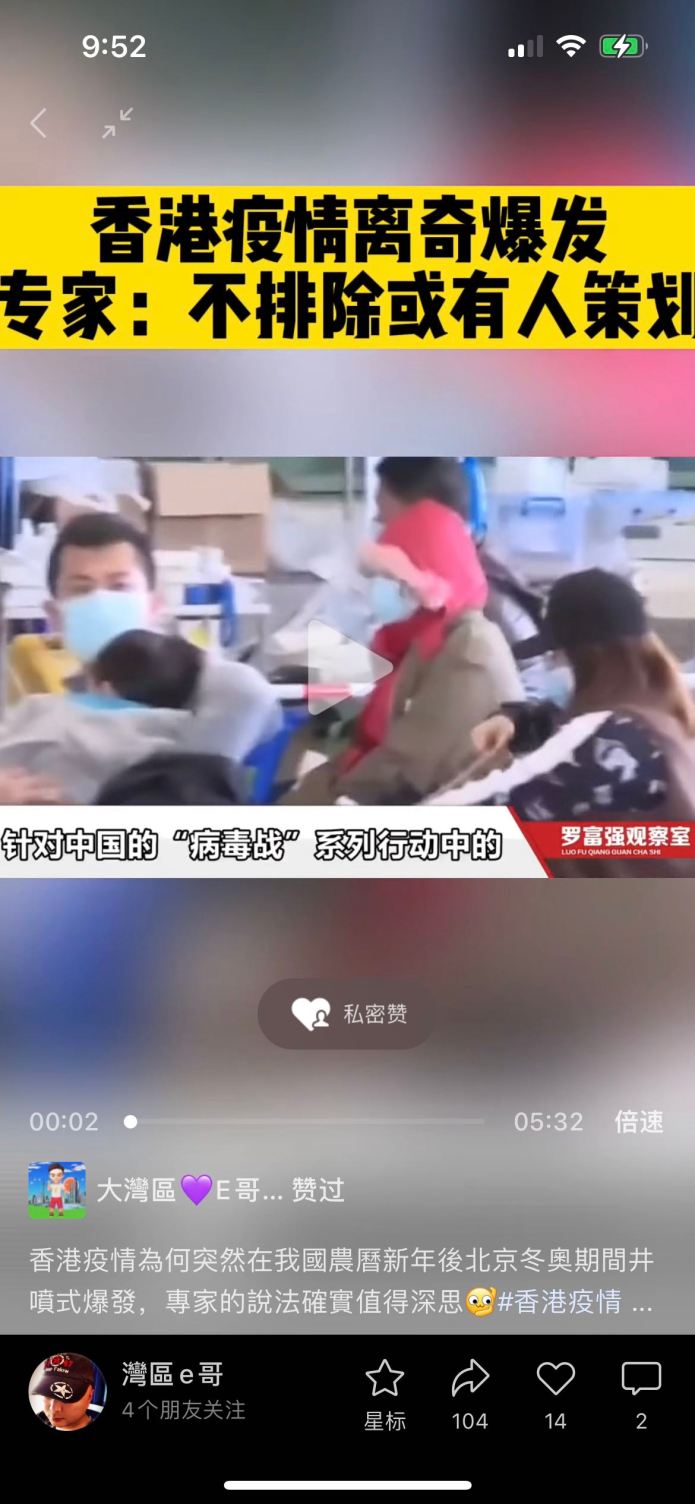
The images circulating on Shenzhen-based WeChat groups are uncannily familiar: people being stopped by guards as the try to sneak across the Shenzhen-Hong Kong border. Only this time, the flight is from Hong Kong to Shenzhen (and/or Hong Kong to Zhuhai). A certain schadenfreude infuses these posts, as if Hong Kong’s current problems demonstrate not only the superiority of the Mainland, but also “just desserts” for implied past actions. There are also reports that the governments of coastal cities are offering rewards to anyone who reports illegal immigrants, and claims that these illegal returnees have “evil intentions 恶意” because as Chinese citizens, they can legally enter the Mainland at designated checkpoints.

Continue reading

did you get your second shot?

These past two weeks have been a strange blur. I have some facts to present, but what they actually mean, I don’t know.

Continue reading

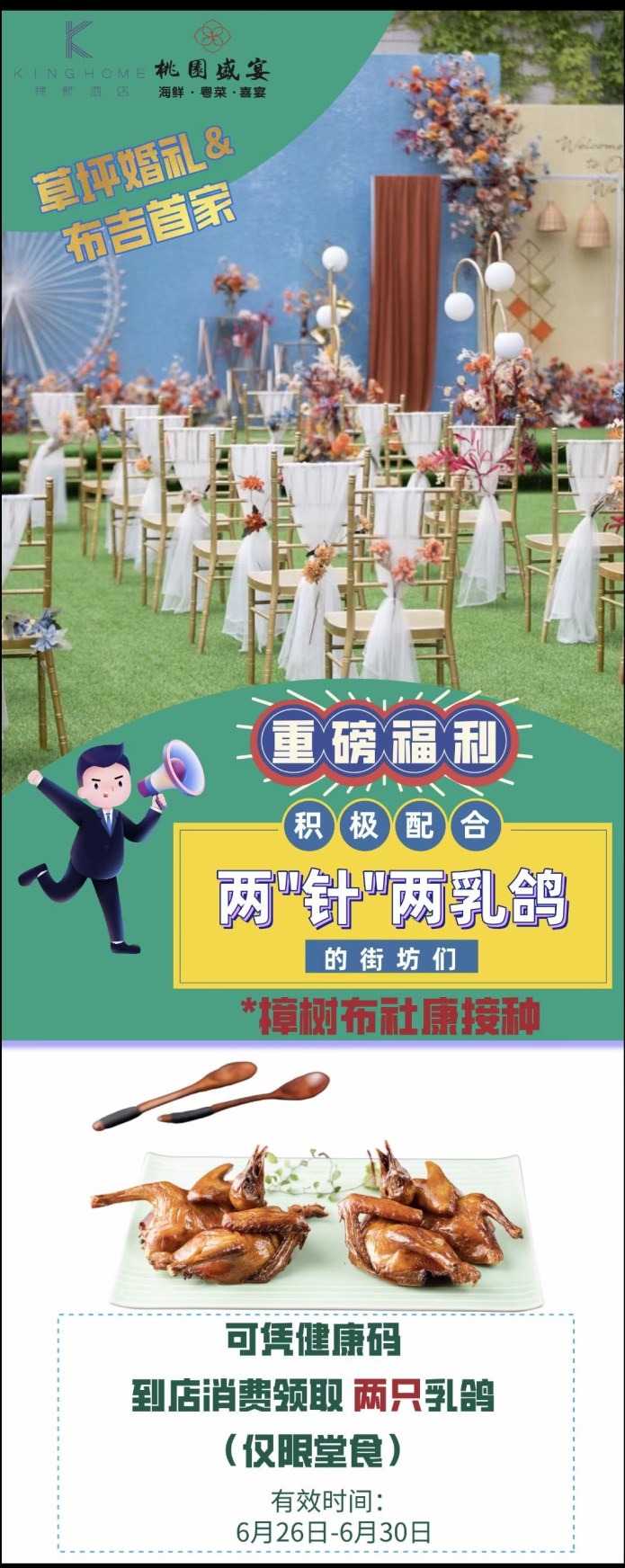
i got my first covid-19 vaccine in shenzhen

In Shenzhen, mobilization to get people tested for covid-19 continues, as does pressure to get vaccinated. Everything is online and seemingly streamlined–from registering, to getting an appointment, to having the information pop up on your cellphone covid-app. And it works, until it doesn’t.

Continue reading

rock star science

Yesterday, I attended a high table dinner for Muse College, Chinese University of Hong Kong, Shenzhen. CUHK-SZ is located in Longgang, next to the Shenzhen Moscow State University-Beijing Institute of Technology University (Shenzhen MIS-BIT) and the Longgang sports stadium, which was built for the 2011 Universiade. Both universities were established after the Universiade through national and international initiatives. The first class at CUHK-SZ entered in 2016, while the first class at Shenzhen MIS-BIT entered in 2017. These collaborations indicate Shenzhen’s commitment to formalizing science and technology innovation in the city. Indeed, these investments have been of a piece with the renewal of Huaqiangbei, where upscale malls have replaced the former factory buildings which housed low-cost storefronts, offices, and workshops on the area’s main strip.

Head of the Shanghai Medical Treatment Expert Group, Zhang Wenhong (张文宏) was the keynote speaker at the high table banquet, which also included a performance by the renowned Cantonese opera singer, Zhuo Peili (桌佩丽). Zhang Wenhong became nationally famous for his role in understanding and controlling COVID-19 in China. Accordingly he has become something of a science rock star, especially in venues like CUHK-SZ, where teachers and students lined up to have their picture taken with him.

Continue reading

unmasked in shenzhen

The following post was first published on Pandemic Discourses, a blog curated by the India China Institute at the New School. The goal of the blog is to bring differently situated perspectives on the COVID-19 pandemic into conversation with each other. The purpose of my post was to provide impressions of the first six months of the pandemic and responses in Shenzhen.

It’s been roughly six months since Shenzhen introduced measures to control the spread of COVID-19. Statistics from the Shenzhen Health Commission 卫健委 show that the highest number of cases occurred at the end of January and early February. There was a second wave that coincided with the return of residents after the Chinese New Year’s holiday. Indeed, the city has emphasized the difference between “locally transmitted” and “imported” cases. As of July 19, 2020, the city had a confirmed total of 462 cases, while the most recent case was reported on April 28, 2020. Continue reading