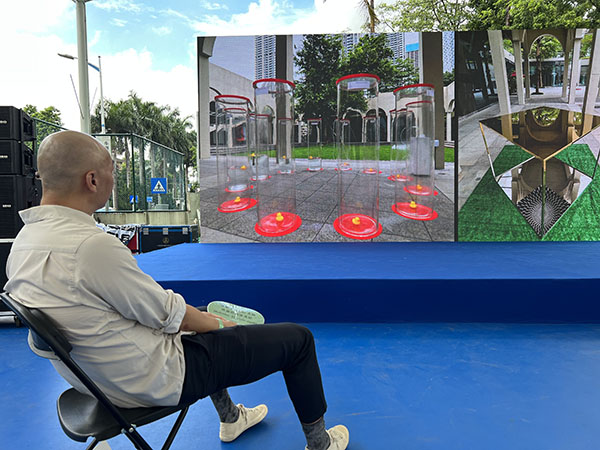
Like many events in Shenzhen (and yes I’m looking at you, UABB), the china international cultural industries fair was first held in central areas in the inner districts and has subsequently expanded into the villages. Indeed, many of these events are now explicitly used as venues to reimagine development or even urban planning. This past weekend, I participated in two such events. One was held in the New Who Art Village (鳌湖/牛湖) and the other in Jingkou Experimental Center (迳口).
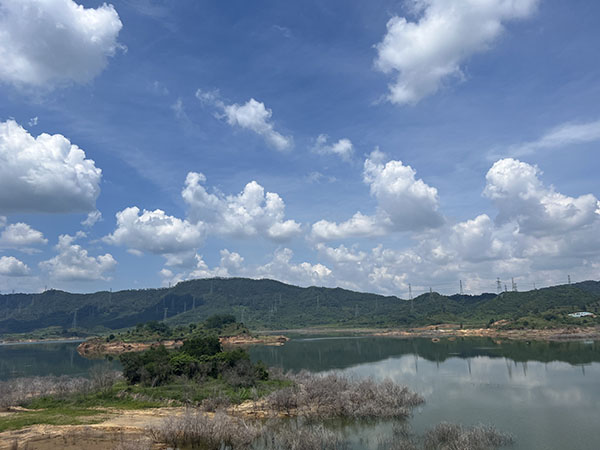
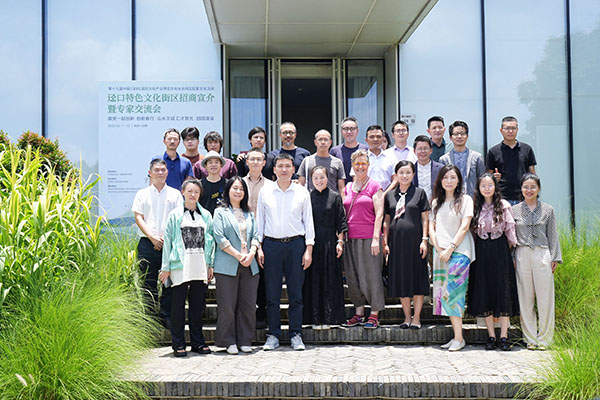
New Who has been an important art village in Shenzhen, largely because native Deng Chunru and his wife Wang Ting have mediated between village institutions and artists, creating an environment where the village has supported art production for over a decade. As the metro now connects New Who to the city center, the village is undergoing redevelopment, and factories are being transitioned to workshops with an eye to producing branded products (产品). Jingkou is located within an ecological red line. It therefore has been tasked with developing without impacting the city’s largest reservoir. Of note, during the conference most artists weren’t that optimistic that art could generate revenue. It could, however, become a high-end destination? Images below give a sense of the diverse environments in which “art” is being deployed as an answer to social problems.
First, installations at New Who:

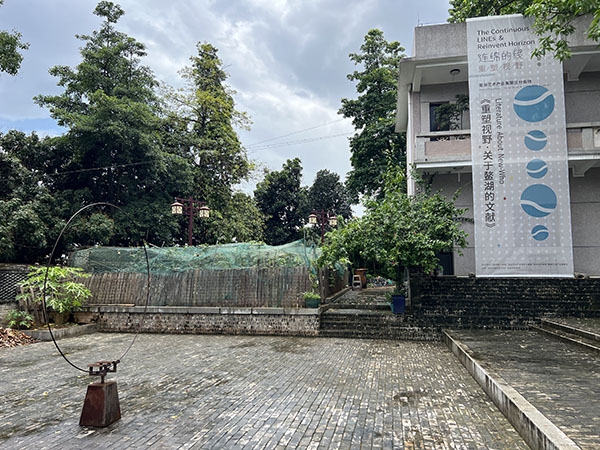
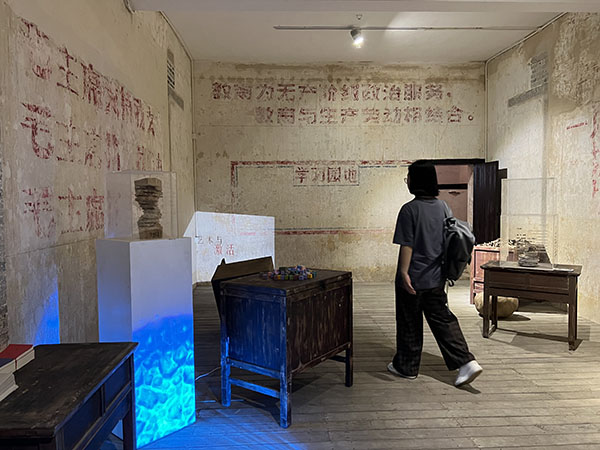

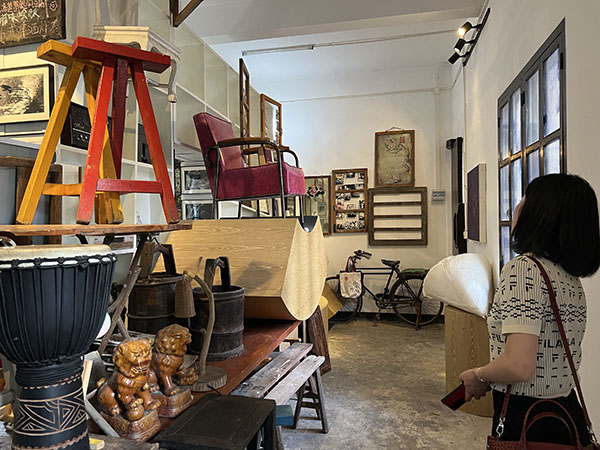

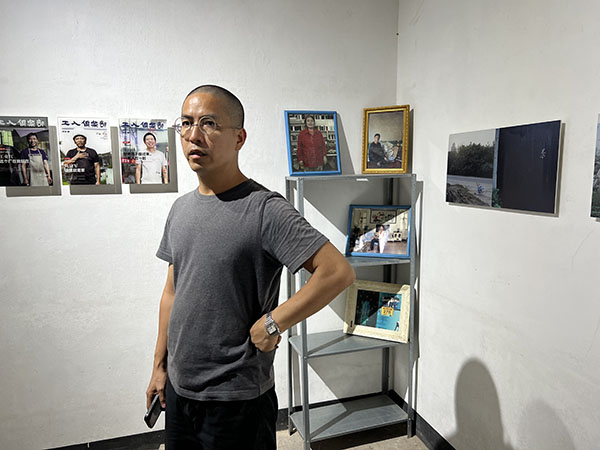

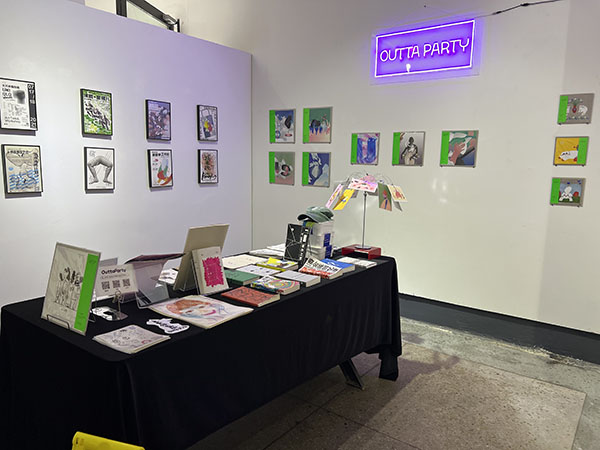
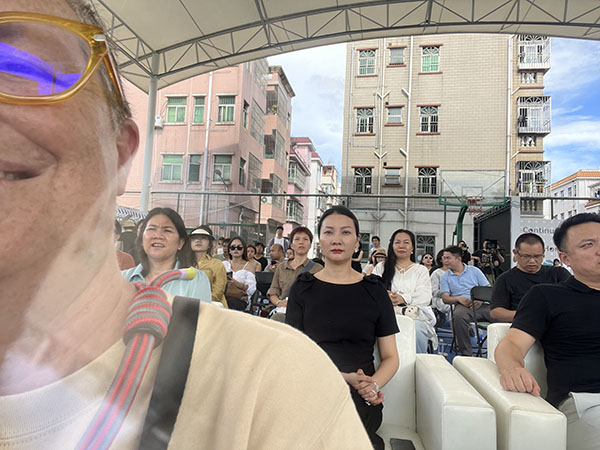

And the event at Jingkou, which ended up being framed as a question of “cultural tourism”:


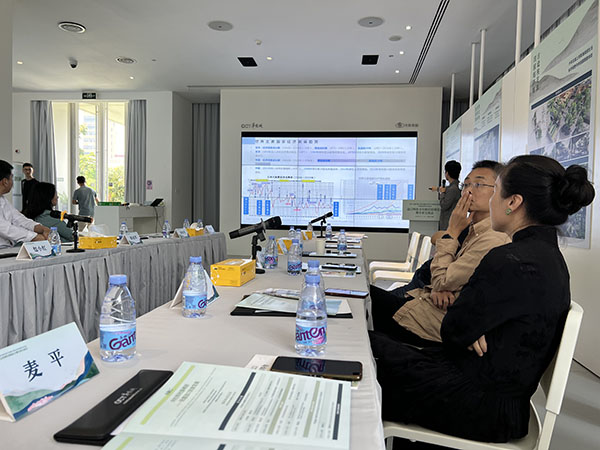


 Shenzhen Noted